
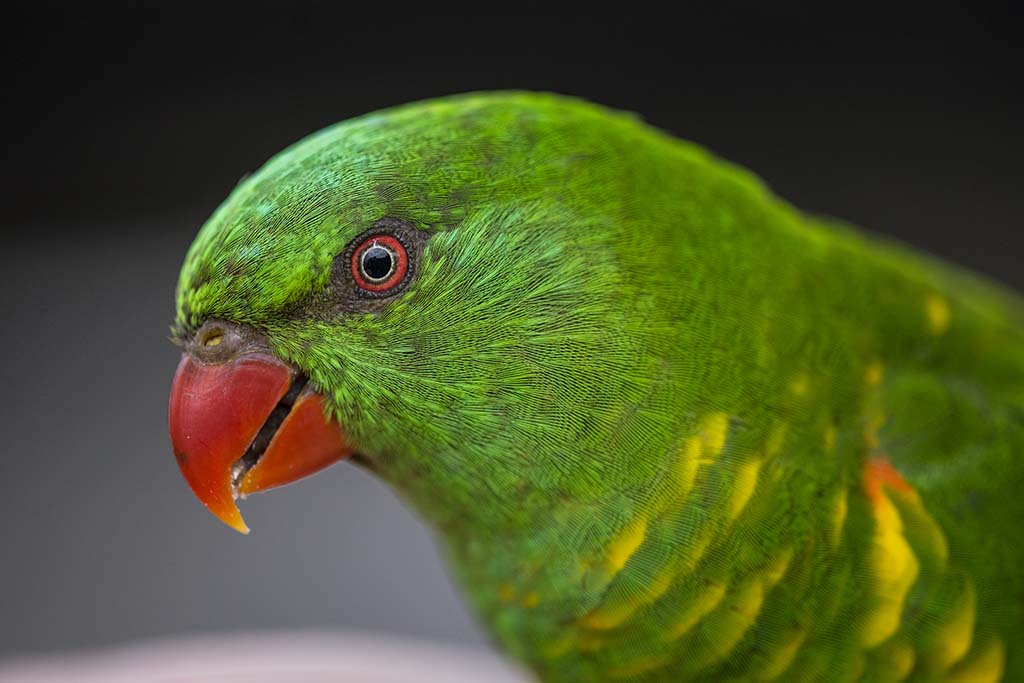
Urunga is a very small town on the Mid North Coast of New South Wales, Australia, it is in the Shire of Bellingen, named after the Bellingen river. The town has a population of around 3,000 people. The town of Urunga is south of Coffs Harbour and Sawtell and north of Nambucca Heads. The Urunga boardwalk, going… Continue reading Images From The Bellinger River, Urunga, New South Wales
Category: Recording Your Travels
Some Images Of A Beautiful River, The Clarence River, Iluka, New South Wales
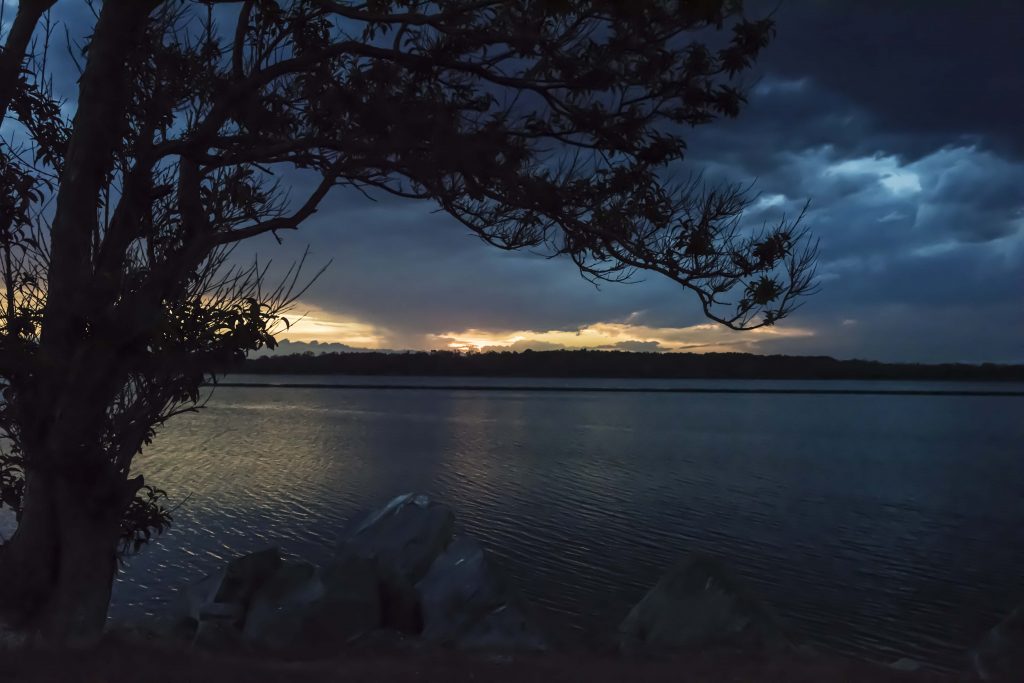
Iluka is a very small village at the mouth of the Clarence River in New South Wales, Australia. It is situated directly across the river, on the northern side from the larger resort town of Yamba. It has a small population of under 2,000 people. The town’s name Iluka is derived from an aboriginal word… Continue reading Some Images Of A Beautiful River, The Clarence River, Iluka, New South Wales
Seascapes, Supermoon and Bird Images From Burrum Heads, Queensland
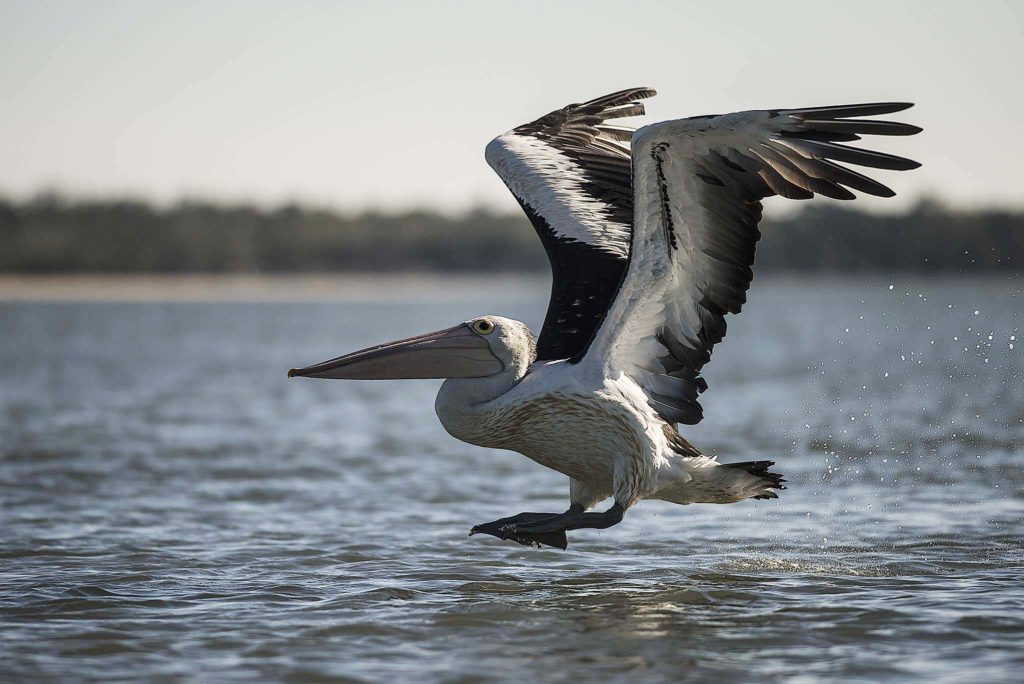
Burrum Heads is located approximately 300 kilometres from the Queensland state capital, Brisbane and only 30 minutes outside of Hervey Bay, this little seaside village is a destination in its own right for visitors. It is a very peaceful and tranquil area. There are rivers and creeks to explore by boat or kayak and the… Continue reading Seascapes, Supermoon and Bird Images From Burrum Heads, Queensland
Views From Noosa National Park, Noosa Heads, Queensland With The Nikon 28mm f/1.8G AF-S Lens
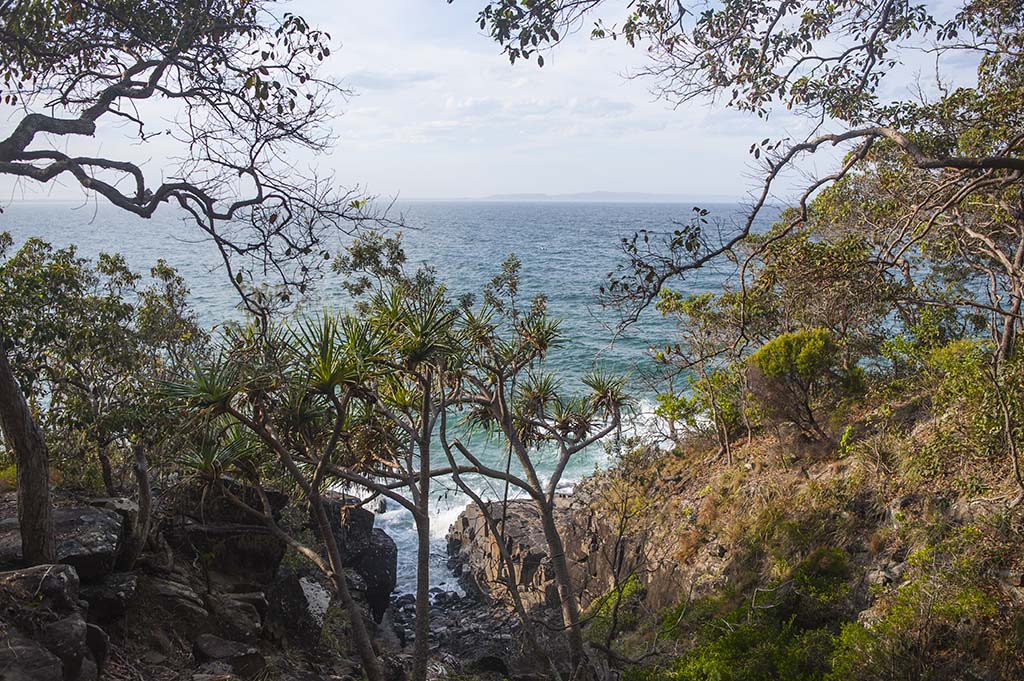
Noosa National Park is around 16 kilometres north of the capital of Queensland, Brisbane, and is on the Sunshine Coast. This coast has beautiful sandy beaches and also vaso rocky outcrops to give a very scenic coastline. Noosa National Park features in addition to the spectacular coastal scenery the park is also an important refuge for… Continue reading Views From Noosa National Park, Noosa Heads, Queensland With The Nikon 28mm f/1.8G AF-S Lens
Images From A Visit To Hervey Bay With The Nikon 28mm f/1.8G AF-S Lens
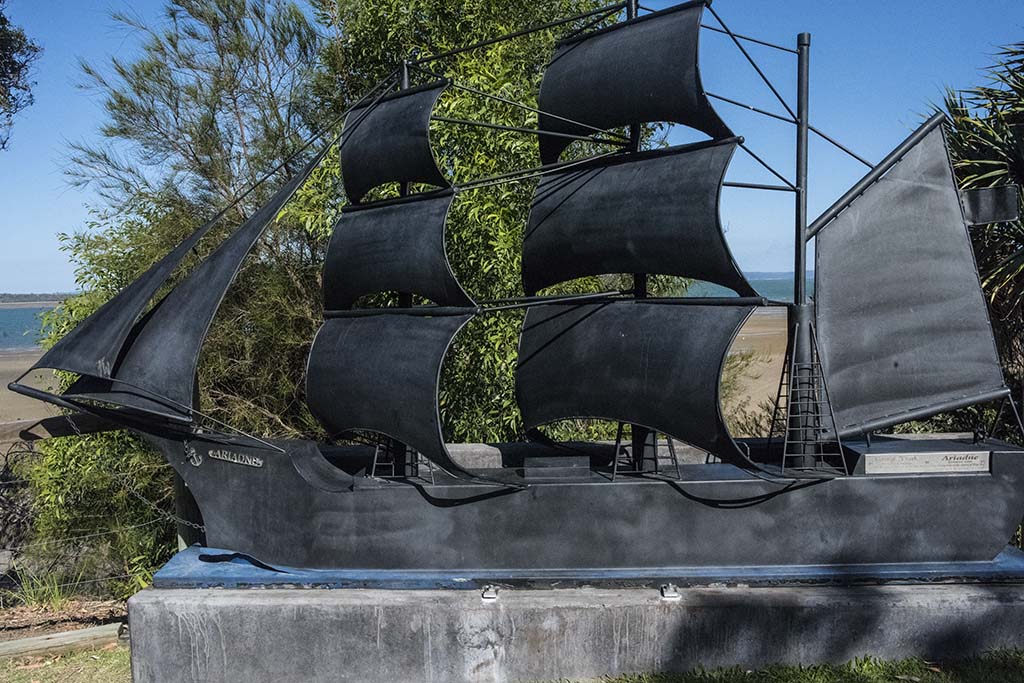
Hervey Bay is a beautiful seaside town with vast sandy beaches. The shoreline is really well sheltered by Fraser Island, a very large sand island renowned for its diversity and natural wildlife. Hervey Bay is one of Queensland’s most excellent holiday destinations offering some of the world’s closest whale watching encounters with humpback whales as… Continue reading Images From A Visit To Hervey Bay With The Nikon 28mm f/1.8G AF-S Lens
Images From Maleny With The Nikkor 28mm f/1.8G Lens
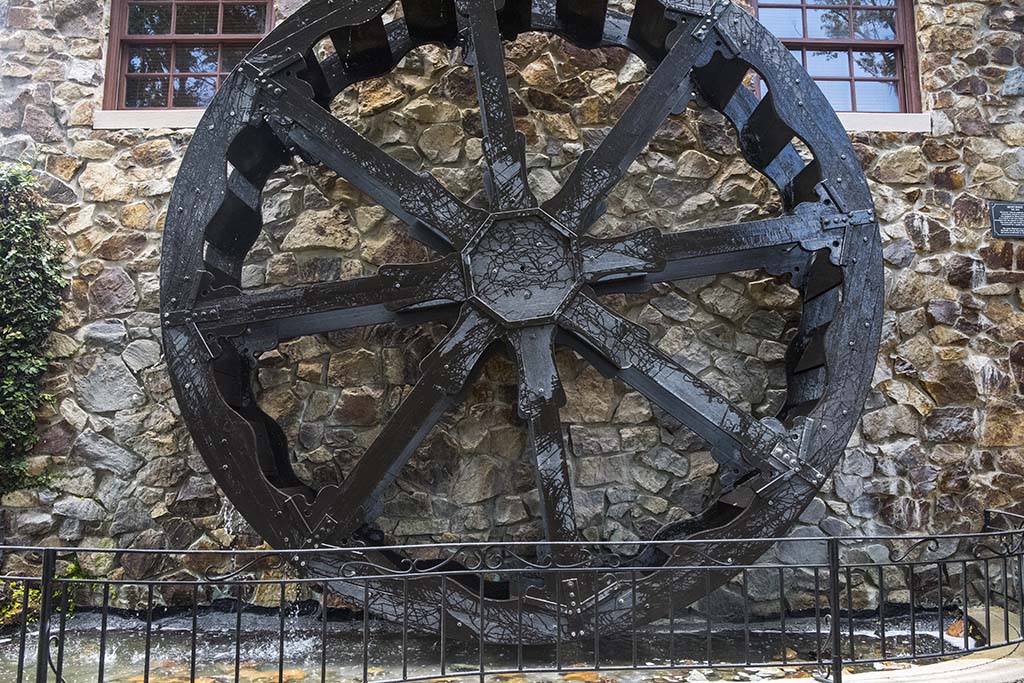
Maleny is a beautiful tidy town on the Sunshine Coast Hinterland. Maleny has many restaurants, cafes and dining options, both in the town and on its outskirts. It caters to all tastes from excellent to grabbing a quick bite while on the road which is what I did. There is popular annual Real Food Festival,… Continue reading Images From Maleny With The Nikkor 28mm f/1.8G Lens
A Visit To Childers Is Like Travelling Back In A Time Machine With The Nikon 28mm f/1.8G AF-S Lens

Yes a visit to Childers, Queensland is a little like travelling back in time in a time machine. Even though it is like visiting time long gone, it is still a very interesting town to visit. Some of the images below may give you a feeling of the life of this town. Many of the streets… Continue reading A Visit To Childers Is Like Travelling Back In A Time Machine With The Nikon 28mm f/1.8G AF-S Lens
Seascape Images From Woodgate, Queensland With The Nikon 28mm f/1.8G AF-S Lens
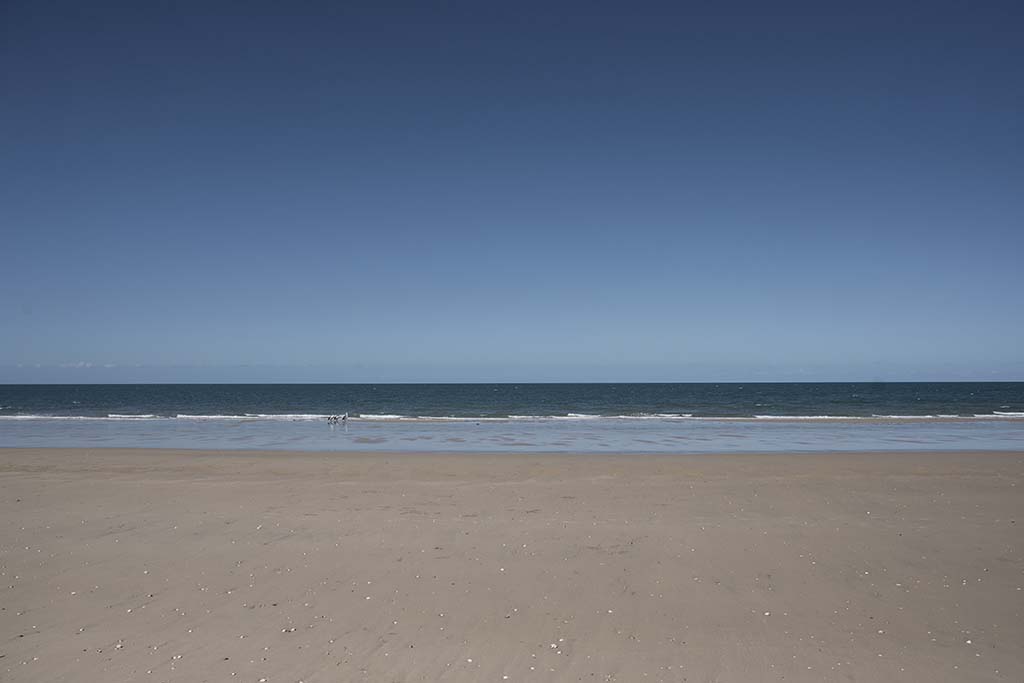
Woodgate does not disappoint as far as the beach is concerned, there are over 16 kilometres of largely untouched, white beaches that stretch as far as the eye can see. Woodgate is probably good for the beach fisherman along the beautiful beach, however I did not see very much at Woodgate apart from the beautiful… Continue reading Seascape Images From Woodgate, Queensland With The Nikon 28mm f/1.8G AF-S Lens
Cotton Tree, Maroochydore, An Excellent Haven For Water Bird Photography
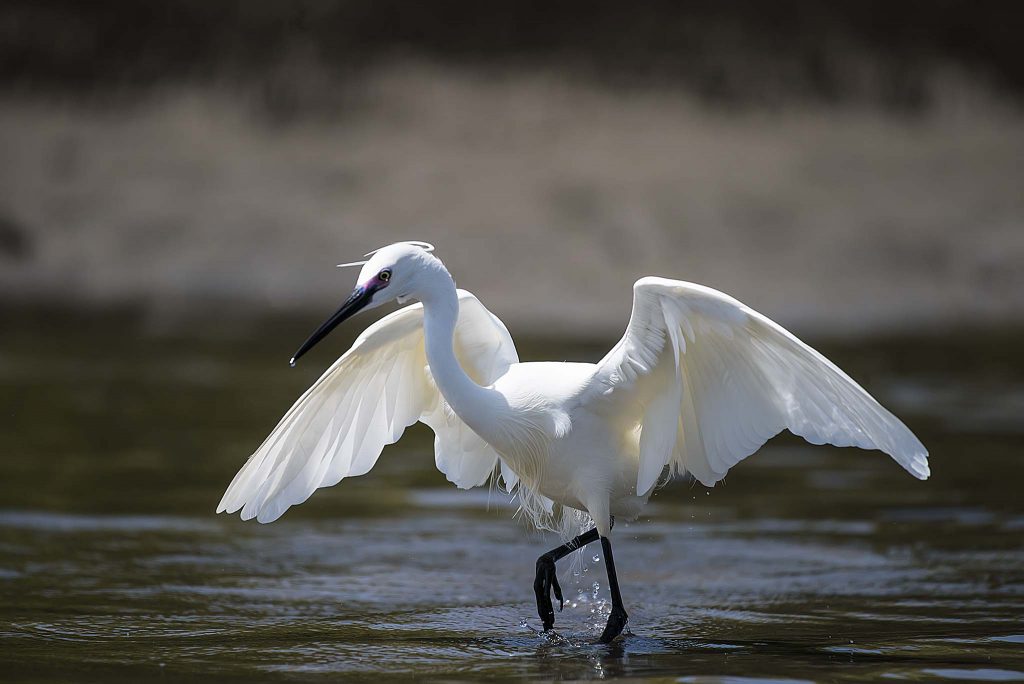
The area of Cotton Tree is generally bounded by the Maroochy River and Cornmeal Creek to the north and to the south and west by Aerodrome Road and by the Pacific Ocean to the east. The area takes its name from the Hibiscus tiliaceus plant which is also known as Coastal Cotton tree or Cottonwood.… Continue reading Cotton Tree, Maroochydore, An Excellent Haven For Water Bird Photography
Images From Running Creek Parklands, Queensland
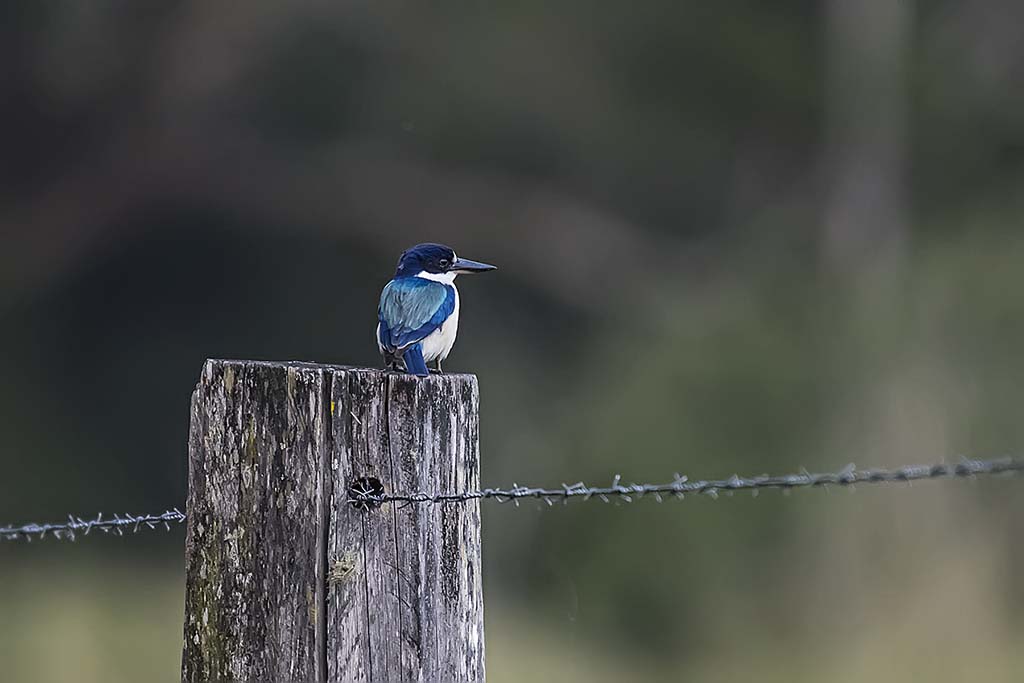
Running Creek Parklands is a bush camping area off Bellthorpe Range Rd, Stanmore, Queensland. just a short distance from Woodford. There is a creek running through the camping area which flows for the major part of the year with the exception of very dry spells. The above image was captured very early on a foggy… Continue reading Images From Running Creek Parklands, Queensland
The Woorolin Grain Silos
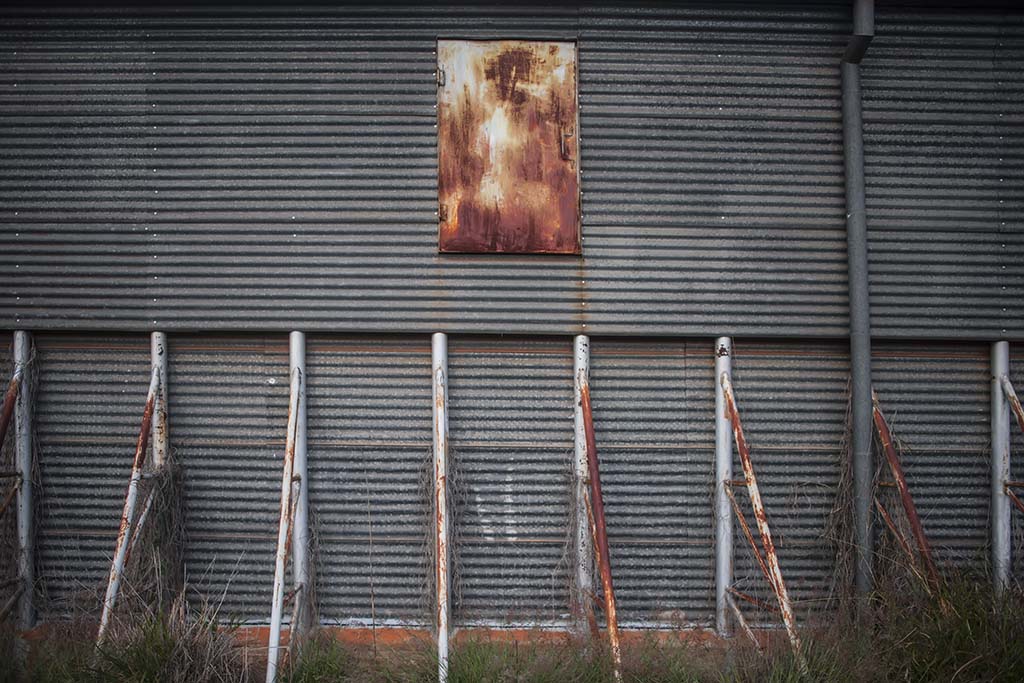
Wooroolin is a town in the South Burnett region of Queensland, Australia on the Bunya Highway, around 250 kilometres north west of Brisbane the state capital. To the eastern side of the town is the Wooroolin Wetland, a non tidal, inland, seasonally flooded, vegetated swamp. In recent times the wetland has flooded and burst its… Continue reading The Woorolin Grain Silos
Some Birds From Kingaroy, The Peanut Factory
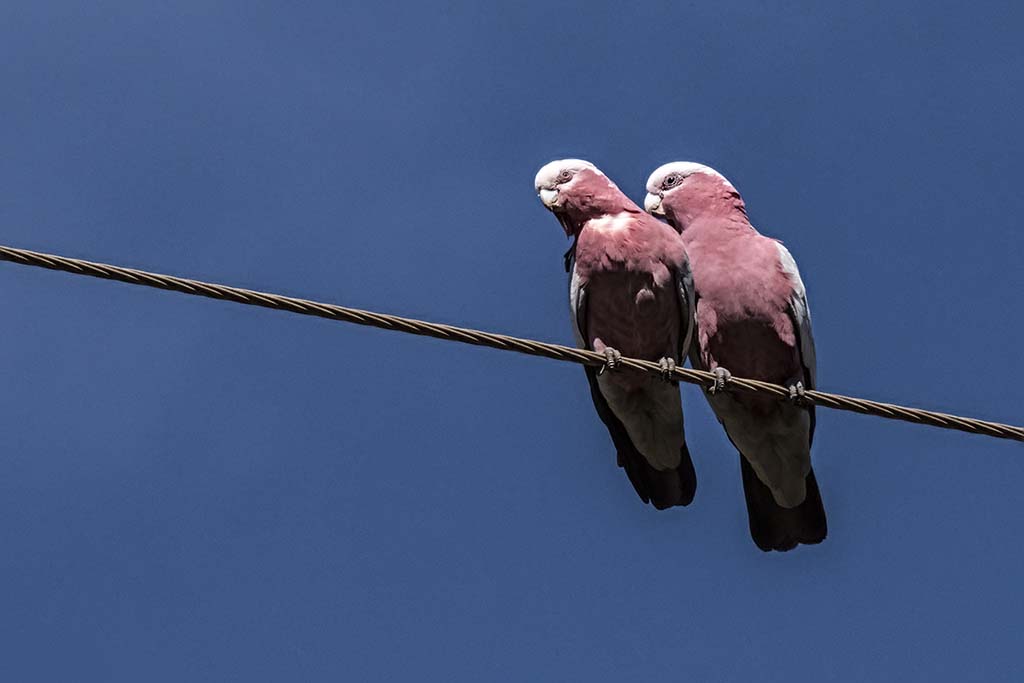
Kingaroy is quite a large agricultural town in the South Burnett Region of Queensland, Australia. It is approximately 200 kilometres north-west of Brisbane the state capital of Queensland. The town is situated at the junction of the D’Aguilar and the Bunya Highways. Kingaroy is known as the “Peanut Capital of Australia”. Australia’s largest peanut processing… Continue reading Some Birds From Kingaroy, The Peanut Factory
Images From The Wondai Town, Queensland
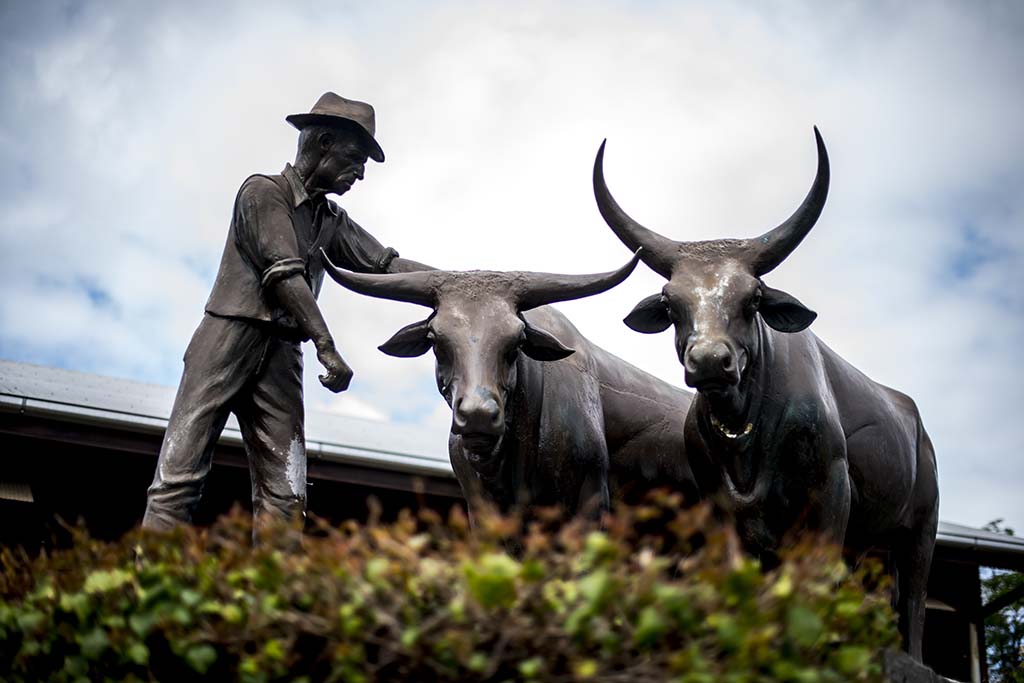
Wondai is a small town in the South Burnett Region of Queensland, Australia. The town is located to the south of the Bunya Highway, around 250 kilometres north west of Brisbane, the state capital of Queensland. The population is around 2,000 people. There is a Timber Museum which showcases the history of the South Burnett’s… Continue reading Images From The Wondai Town, Queensland
Images From Moore, Queensland
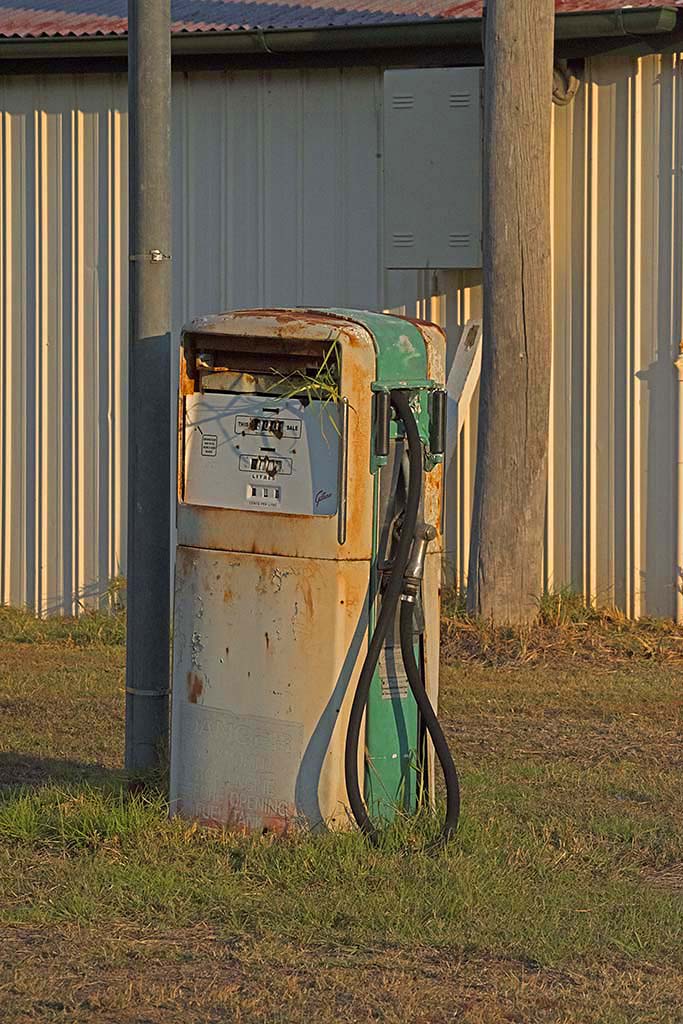
Moore is a very small town in the Somerset Region of South East Queensland, Australia. The town is 96 kilometres north-west of Brisbane. The population including the surrounding area is only around 315 people. Moore is located at the base of the Balfour Range between the town of Esk in the Brisbane River valley and… Continue reading Images From Moore, Queensland
Images From Biggenden, Queensland
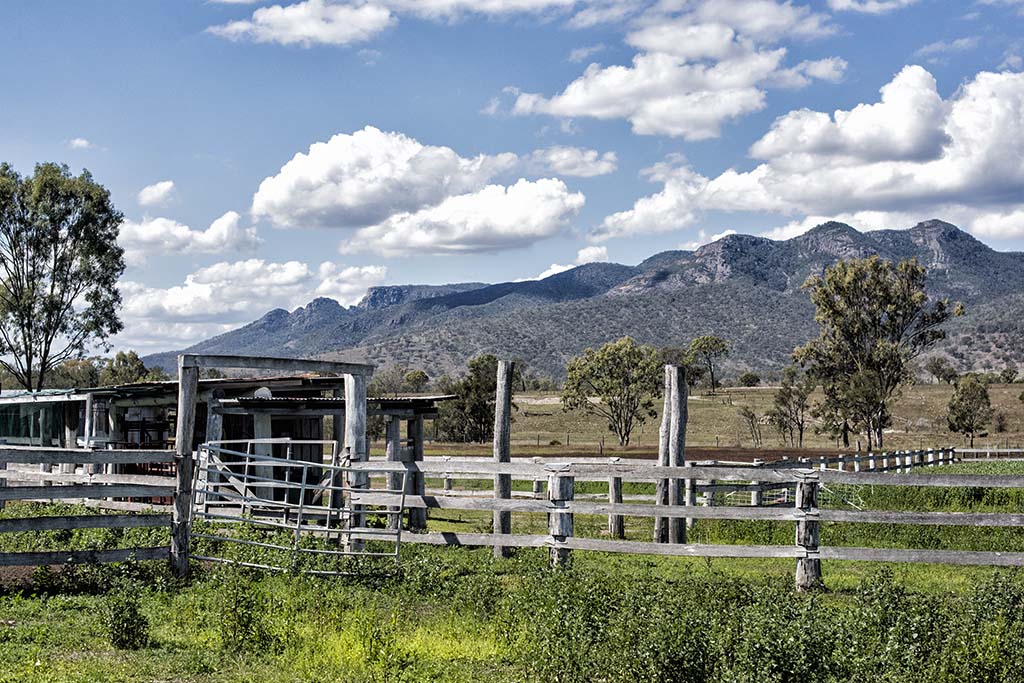
Biggenden is a small settlement in the North Burnett Region of Queensland. It is on the Isis Highway around 340 kilometres north west of the state capital Brisbane and 80 kilometres west of Maryborough. Here are few images from the rural area around Biggenden. The old weathered timber fences always form a nice foreground for this scene… Continue reading Images From Biggenden, Queensland
Bird Photography At The Ibis Rookery At Kybong, Queensland
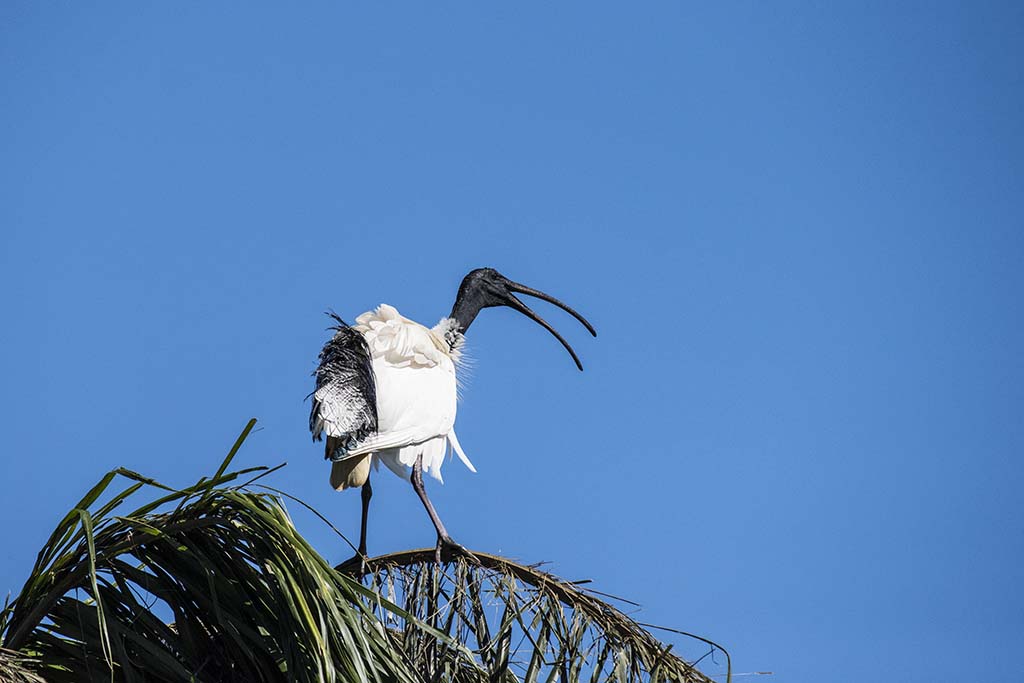
I always enjoy visiting the ibis rookery at Kybong, Kybong is just south of Gympie just behind the Puma roadhouse, also known as the Matilda roadhouse. At this site there is generally many birds and also many different varieties of birds. There is a relatively large lake and the majority of the birds are the… Continue reading Bird Photography At The Ibis Rookery At Kybong, Queensland
Images From Bargara, Queensland
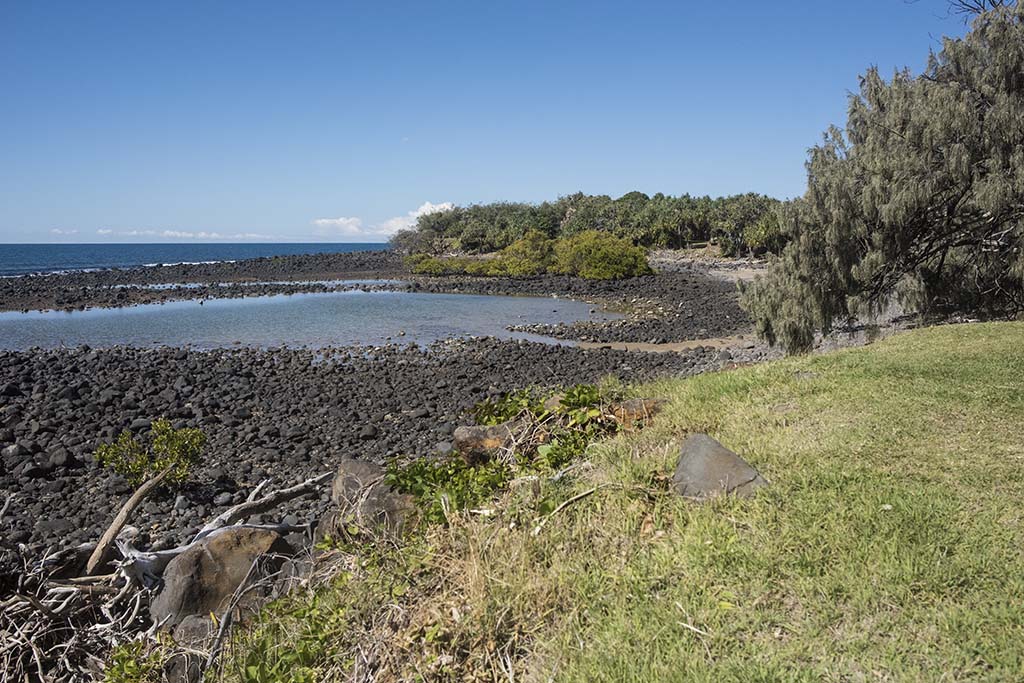
On the recent road trip to the north of Brisbane I visited various coastal towns around Bundaberg and also to the south of Bundaberg. Bargara is quite close to Bundaberg, almost a suburb of Bundaberg. The coastline is very pretty and is mostly rocky close to the town with some mangroves and a few tracts of… Continue reading Images From Bargara, Queensland
Mon Repos, Queensland
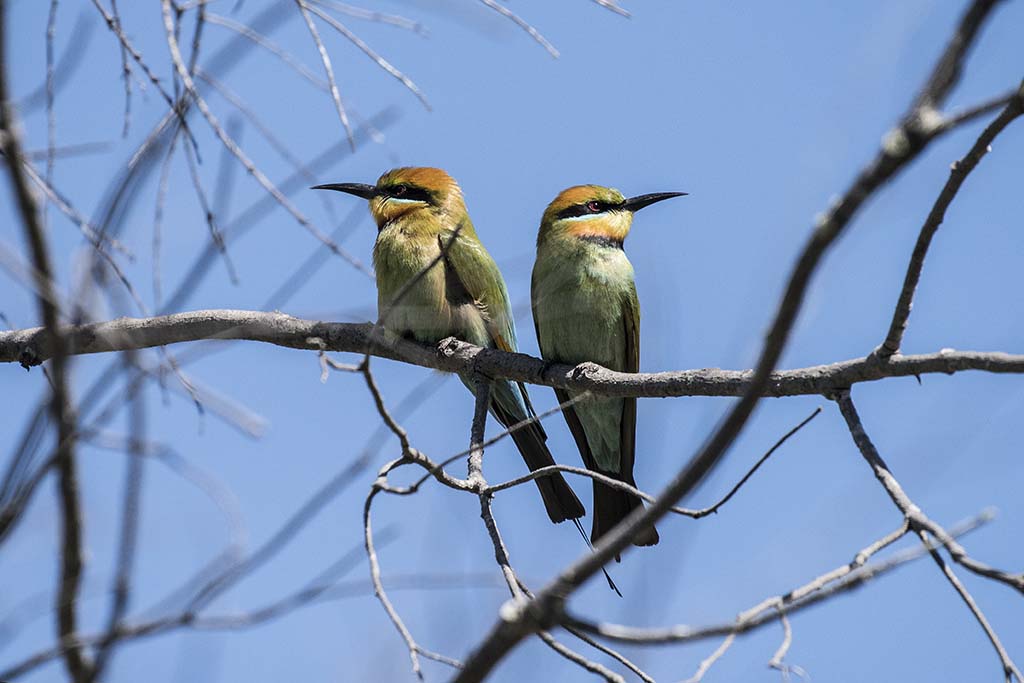
On the recent road trip to the north of Brisbane I visited the coastal area around Bundaberg. An area worth visiting here is the Mon Repos Regional Park. It is a quiet coastal oasis close to the city of Bundaberg. Here visitors can enjoy the walking and cycling tracks and explore the local coastal environment and… Continue reading Mon Repos, Queensland
Elliott Heads, Queensland
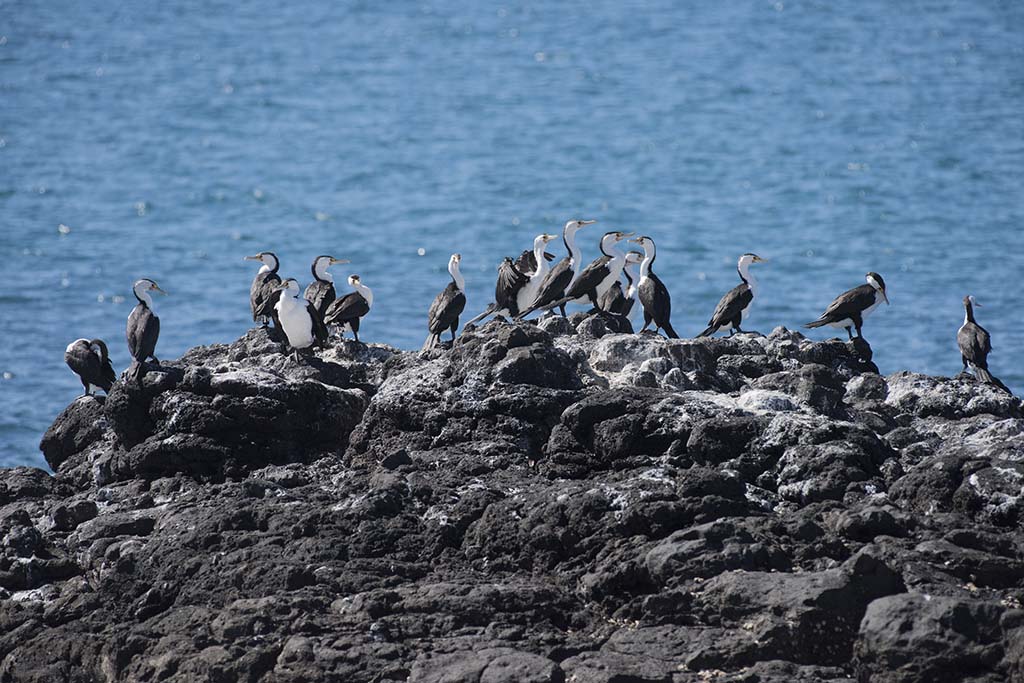
On the recent road trip to the north of Brisbane I visited Elliott Heads which is on the north side of the Elliott River, the river inlet is beautiful and sandy. This is a beautiful area with a mixture of rocky coastline and also sandy tracts of coast. The area of rocky coast below was captured… Continue reading Elliott Heads, Queensland
Images From Coonarr, Queensland
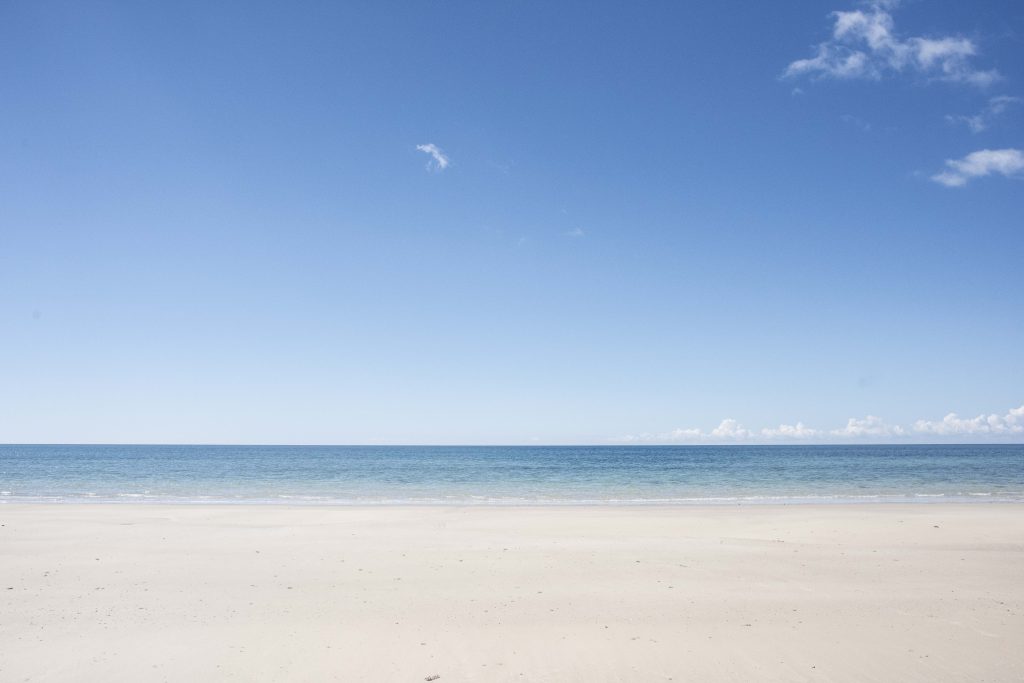
On the recent road trip to the north of Brisbane I visited Coonarr which is just south of Elliott Heads and on the opposite side of the Elliott River to Elliott Heads. Woodgate is a short distance to the south from here. There is nothing very much here apart from a small wildflower reserve (no… Continue reading Images From Coonarr, Queensland