
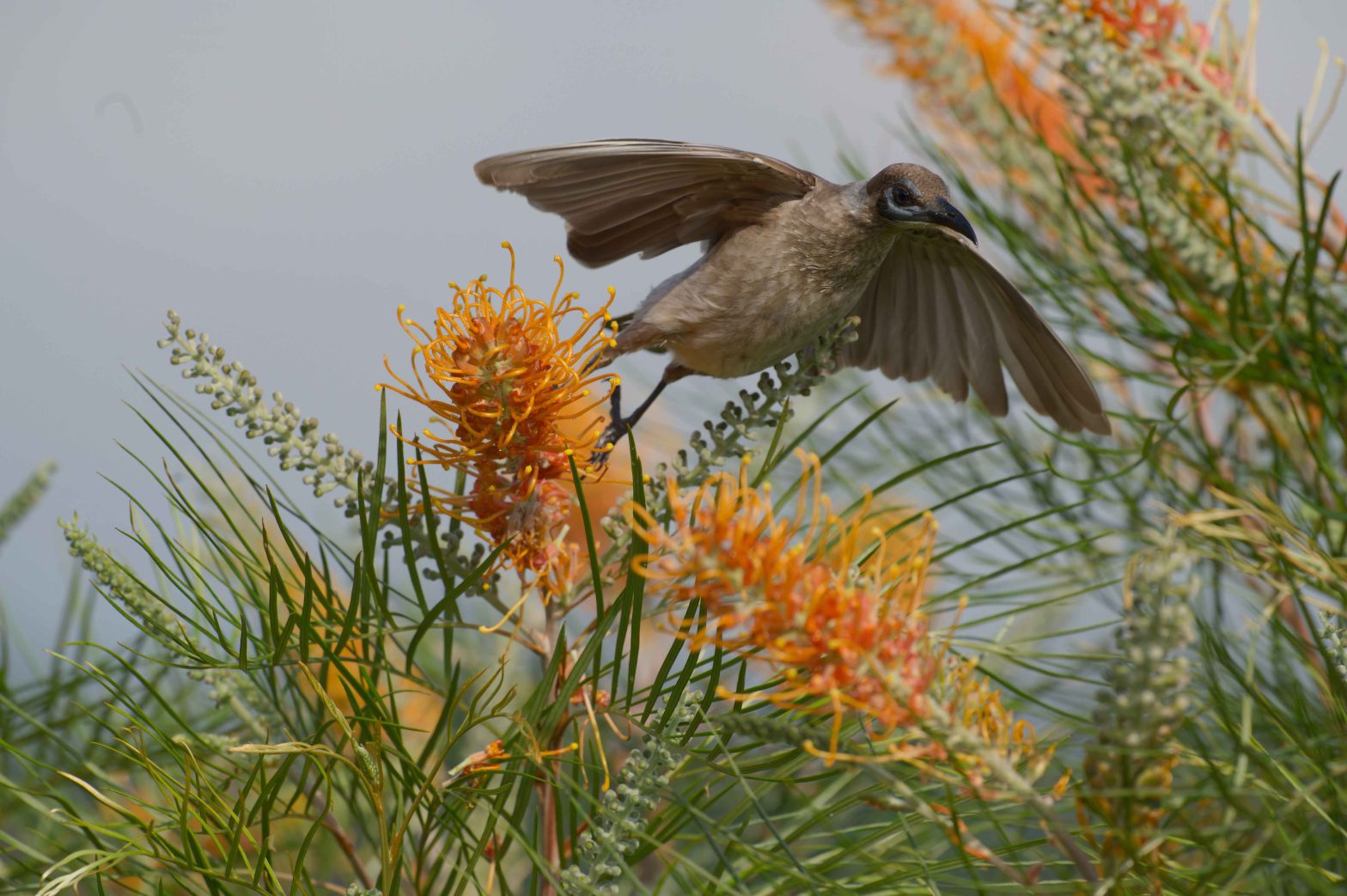
My Nikon D810 SLR camera recently died and I have had the opportunuty to use a Mirrorless Nikon Z6II. I have been using the Z6II with the NIKKOR Z 180-600mm f/5.6-6.3 lens for all the wildlife images in the Gallery below. There is always a learning curve with any different camera and I am also… Continue reading Nikon Z Mirrorless Camera Settings for Wildlife and Birds with Sample Images, NIKKOR Z 180-600mm f/5.6-6.3 Lens
Category: The Beauty Of Birds
Attracting Birds Into Your Garden To Give Great Photographic Opportunities
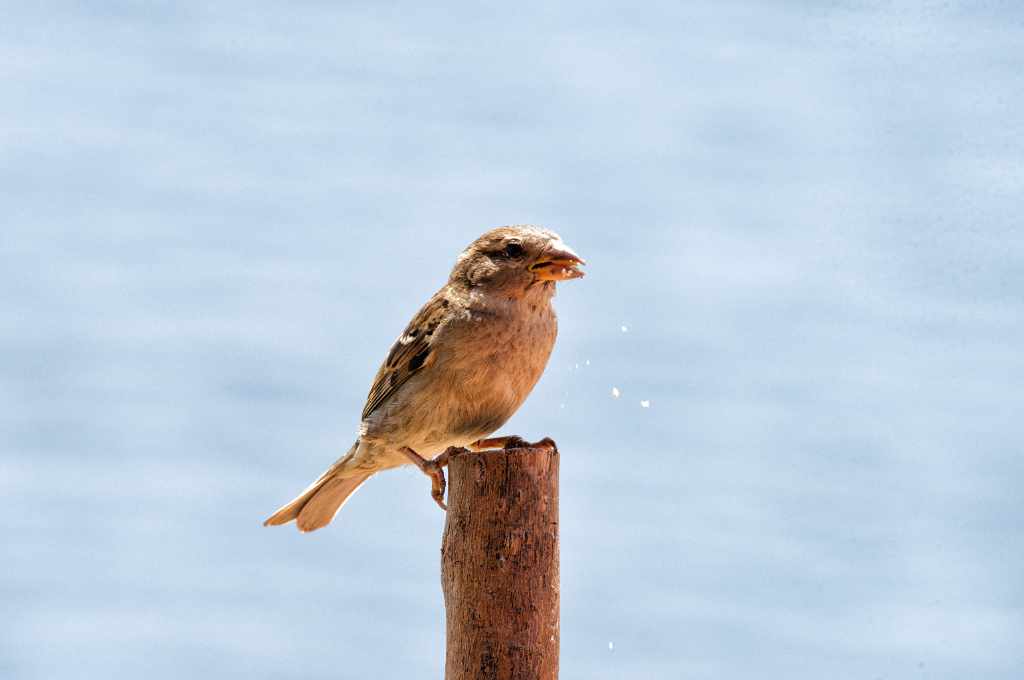
It is wonderful if you can establish a bird attracting garden to assist you in getting more opportunities to photograph a wide range of birds. Over the last 12 to 15 months with the dreaded Covid19 causing major disruptions to our normal way of life, this project has become of major importance to me. I… Continue reading Attracting Birds Into Your Garden To Give Great Photographic Opportunities
Australia’s Beautiful Birds, The Regent Bowerbird And The Satin Bowerbird
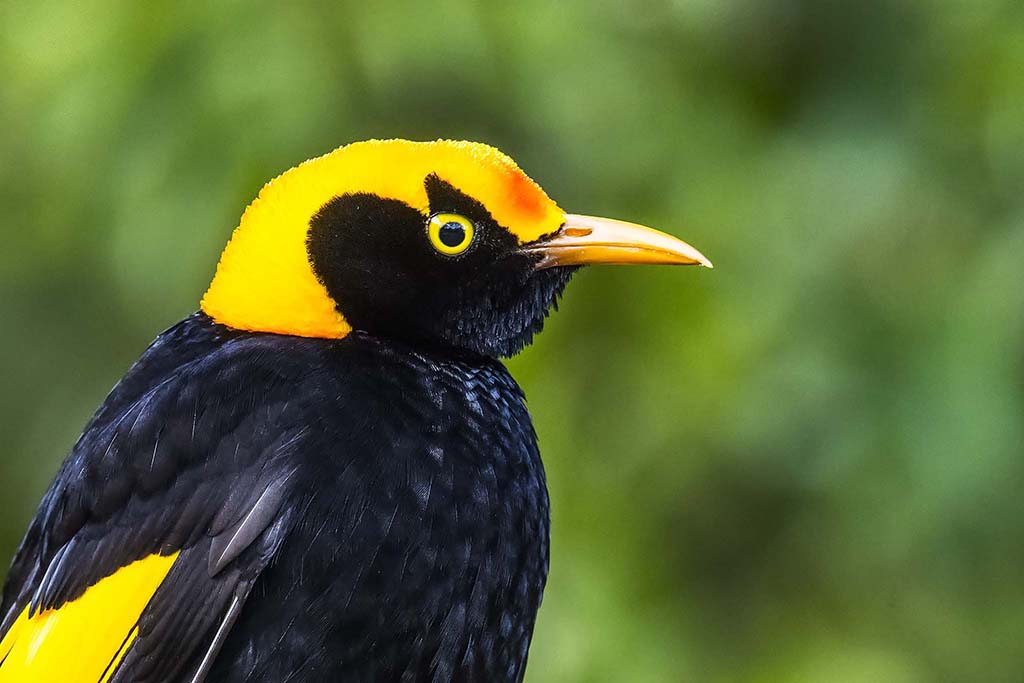
Here in Australia we are fortunate to have some of the most beautiful birds you could ever see. The Bowerbird family is in my opinion up there with some of the most beautiful birds. Recently I did a trip for three days to O’Reilly’s resort, at Green Mountain, Queensland. This would have to be one… Continue reading Australia’s Beautiful Birds, The Regent Bowerbird And The Satin Bowerbird
A Review Using The Nikon Nikkor 200mm f/4D IF ED Micro AF Lens For Birds
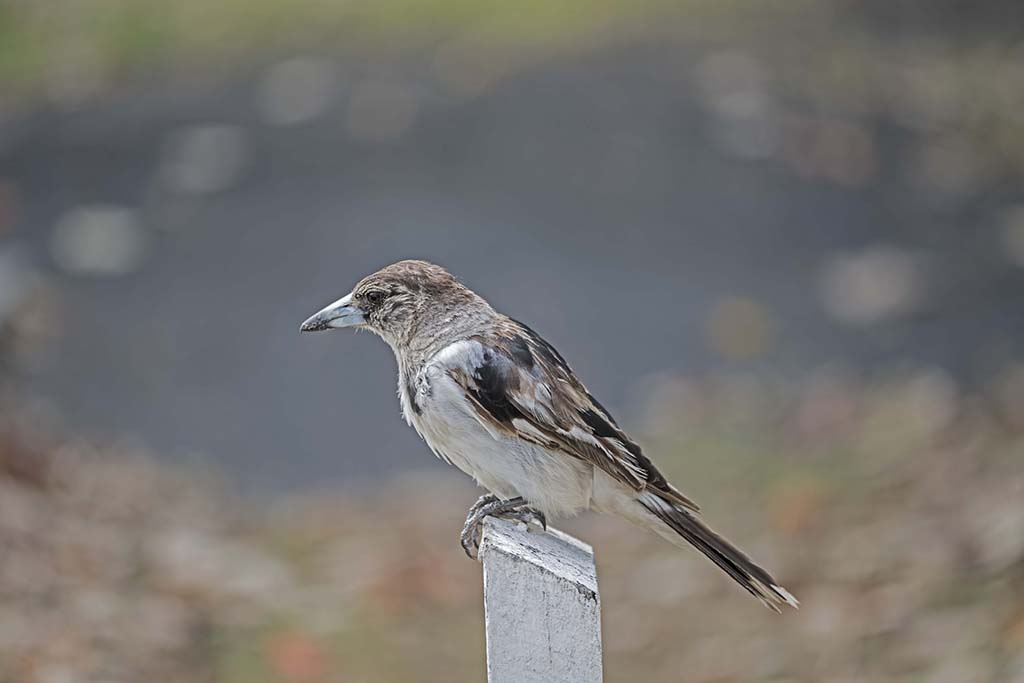
Most photographers would not think to use a Macro lens for capturing images of birds. But for the following three images of the Pied Butcher Bird (Immature), the Rainbow Lorikeet and the Scaley Breasted Lorikeet below I have used the Nikon Nikkor 200mm f/4.0D IF ED Micro AF lens. For these three images I was… Continue reading A Review Using The Nikon Nikkor 200mm f/4D IF ED Micro AF Lens For Birds
Cotton Tree, Maroochydore, An Excellent Haven For Water Bird Photography
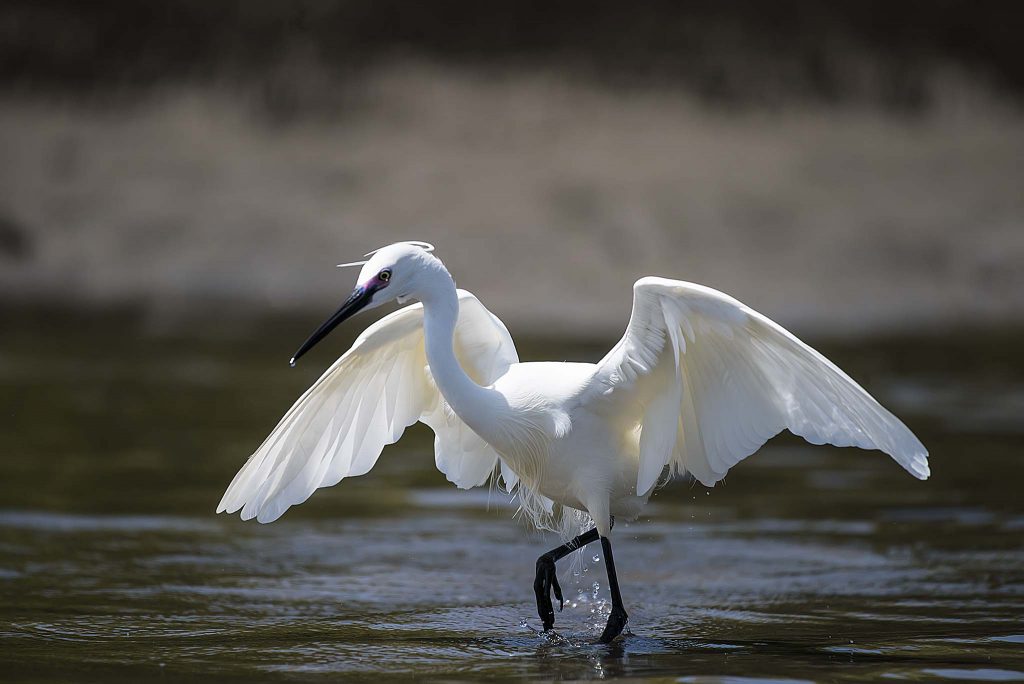
The area of Cotton Tree is generally bounded by the Maroochy River and Cornmeal Creek to the north and to the south and west by Aerodrome Road and by the Pacific Ocean to the east. The area takes its name from the Hibiscus tiliaceus plant which is also known as Coastal Cotton tree or Cottonwood.… Continue reading Cotton Tree, Maroochydore, An Excellent Haven For Water Bird Photography
Images From Bjelke Petersen Dam (Lake Barambah), Queensland With The Nikon Nikkor 200-500mm f/5.6E ED VR AF-S Lens
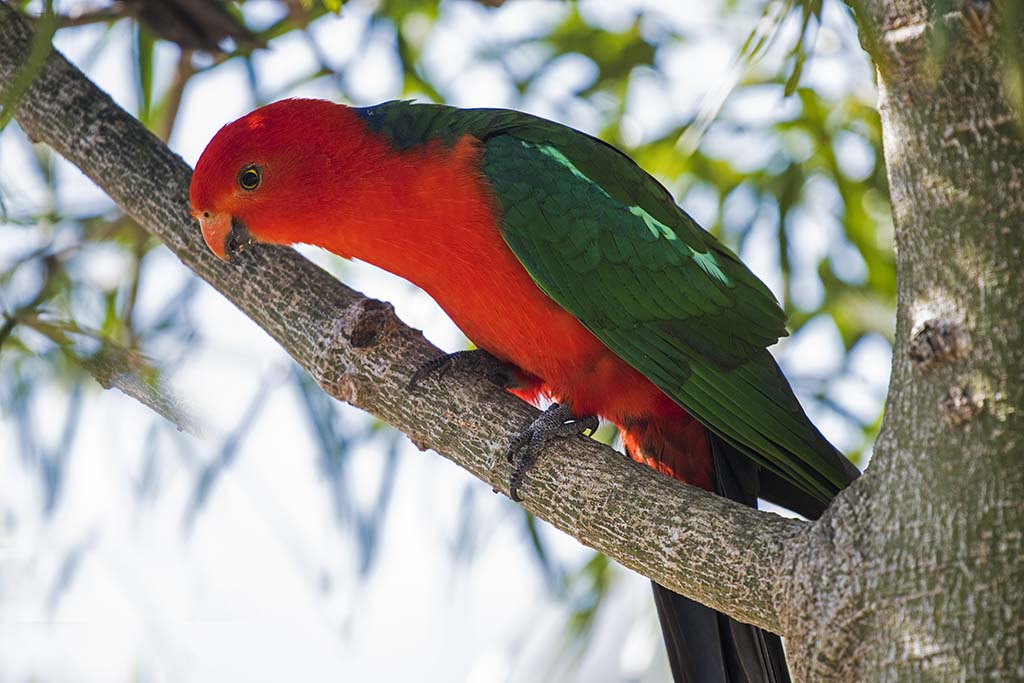
The Bjelke Petersen Dam was constructed over the period 1984 to 1988. The lake was originally named Lake Barambah after the original property in the region and has since been renamed the Bjelke Petersen Dam. The dam supplies water to the South Burnett region of Queensland, for irrigation purposes and also nearby towns for town… Continue reading Images From Bjelke Petersen Dam (Lake Barambah), Queensland With The Nikon Nikkor 200-500mm f/5.6E ED VR AF-S Lens
Images From Running Creek Parklands, Queensland
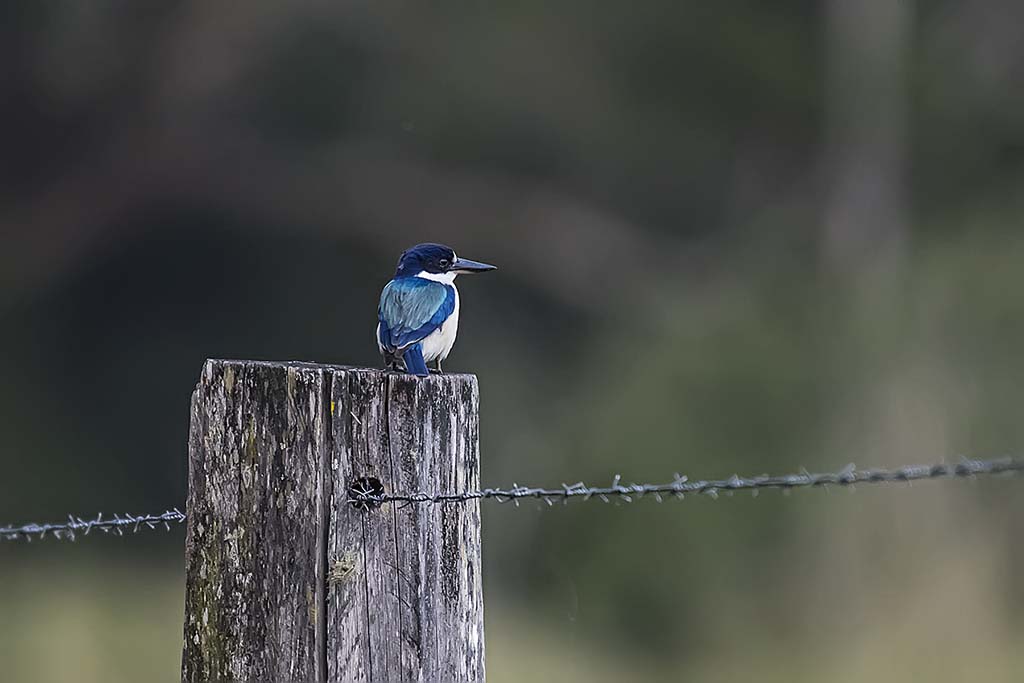
Running Creek Parklands is a bush camping area off Bellthorpe Range Rd, Stanmore, Queensland. just a short distance from Woodford. There is a creek running through the camping area which flows for the major part of the year with the exception of very dry spells. The above image was captured very early on a foggy… Continue reading Images From Running Creek Parklands, Queensland
Some Birds From Kingaroy, The Peanut Factory
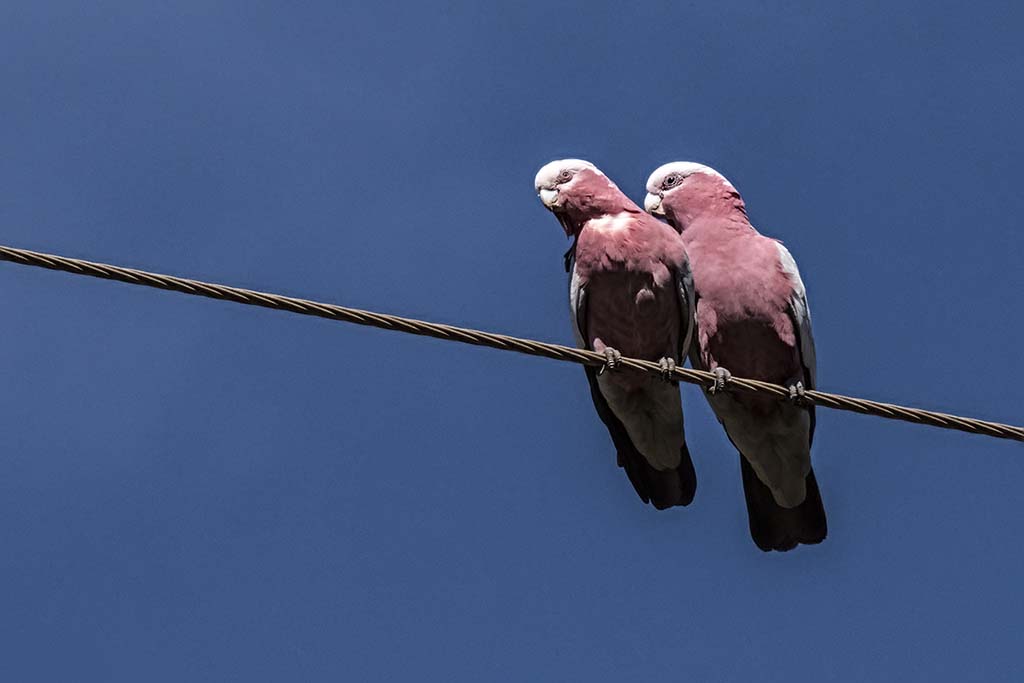
Kingaroy is quite a large agricultural town in the South Burnett Region of Queensland, Australia. It is approximately 200 kilometres north-west of Brisbane the state capital of Queensland. The town is situated at the junction of the D’Aguilar and the Bunya Highways. Kingaroy is known as the “Peanut Capital of Australia”. Australia’s largest peanut processing… Continue reading Some Birds From Kingaroy, The Peanut Factory
Images From Moore, Queensland
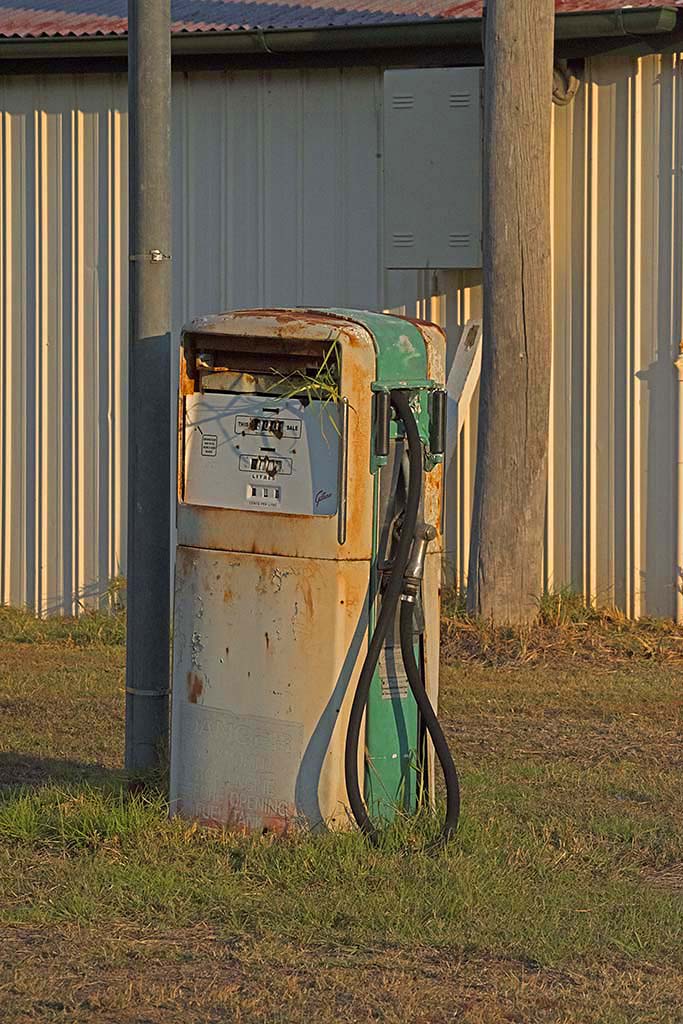
Moore is a very small town in the Somerset Region of South East Queensland, Australia. The town is 96 kilometres north-west of Brisbane. The population including the surrounding area is only around 315 people. Moore is located at the base of the Balfour Range between the town of Esk in the Brisbane River valley and… Continue reading Images From Moore, Queensland
Bird Photography At The Ibis Rookery At Kybong, Queensland
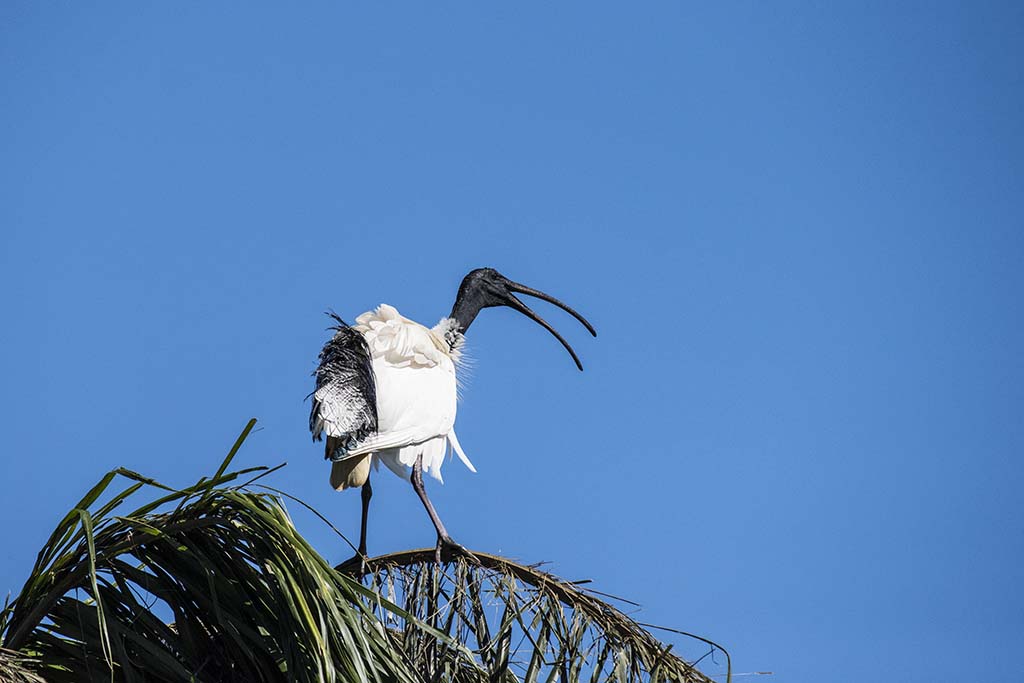
I always enjoy visiting the ibis rookery at Kybong, Kybong is just south of Gympie just behind the Puma roadhouse, also known as the Matilda roadhouse. At this site there is generally many birds and also many different varieties of birds. There is a relatively large lake and the majority of the birds are the… Continue reading Bird Photography At The Ibis Rookery At Kybong, Queensland
Mon Repos, Queensland
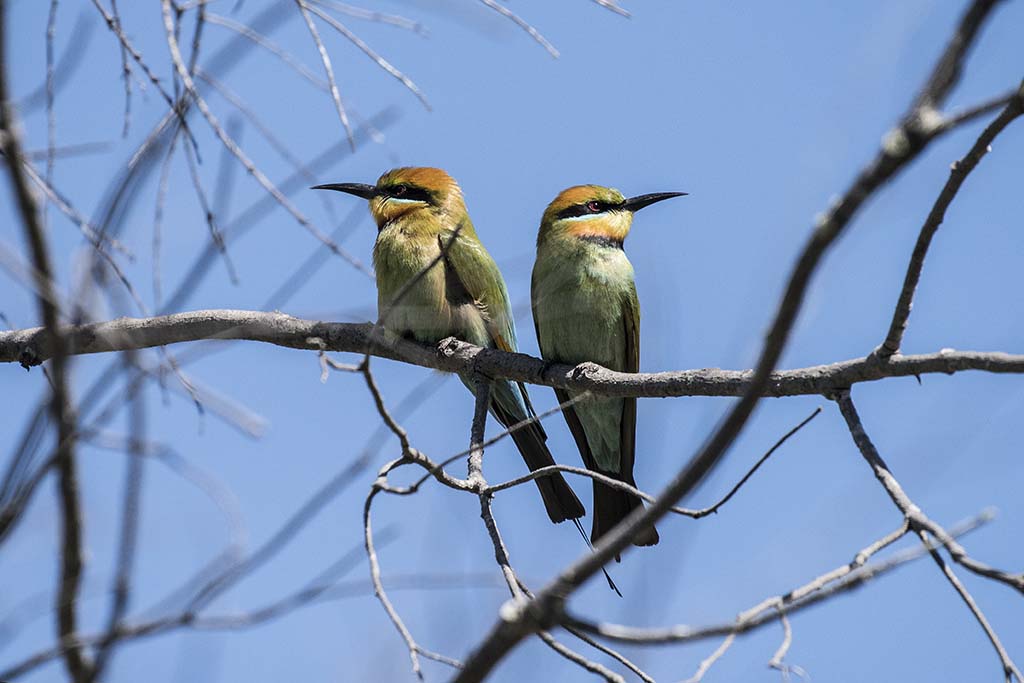
On the recent road trip to the north of Brisbane I visited the coastal area around Bundaberg. An area worth visiting here is the Mon Repos Regional Park. It is a quiet coastal oasis close to the city of Bundaberg. Here visitors can enjoy the walking and cycling tracks and explore the local coastal environment and… Continue reading Mon Repos, Queensland
Elliott Heads, Queensland
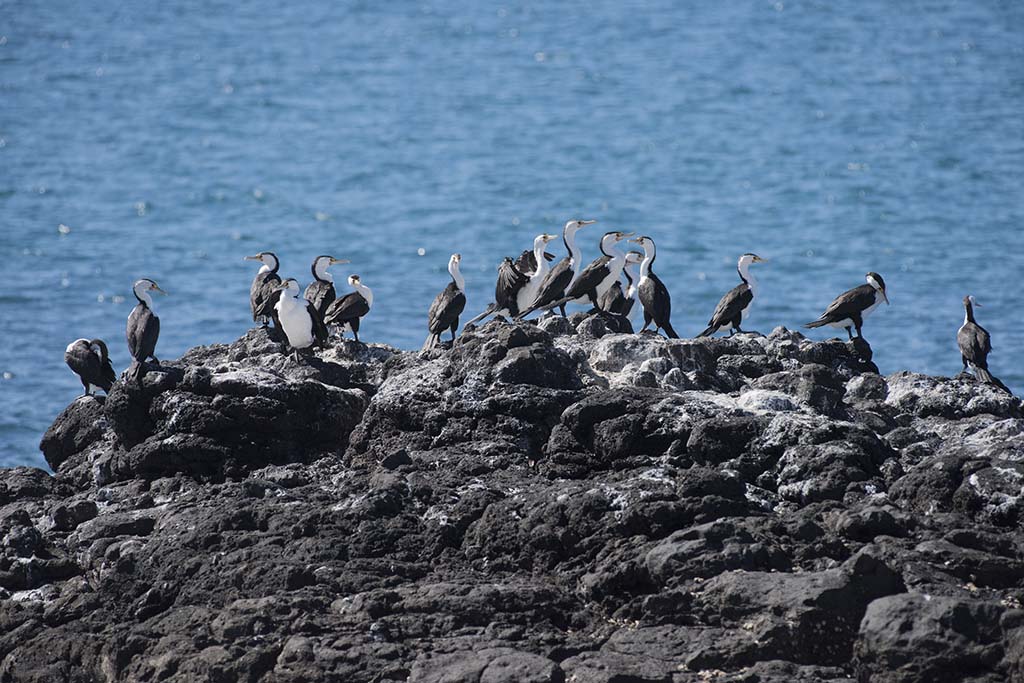
On the recent road trip to the north of Brisbane I visited Elliott Heads which is on the north side of the Elliott River, the river inlet is beautiful and sandy. This is a beautiful area with a mixture of rocky coastline and also sandy tracts of coast. The area of rocky coast below was captured… Continue reading Elliott Heads, Queensland
Rossendale Park, Bauple, Queensland
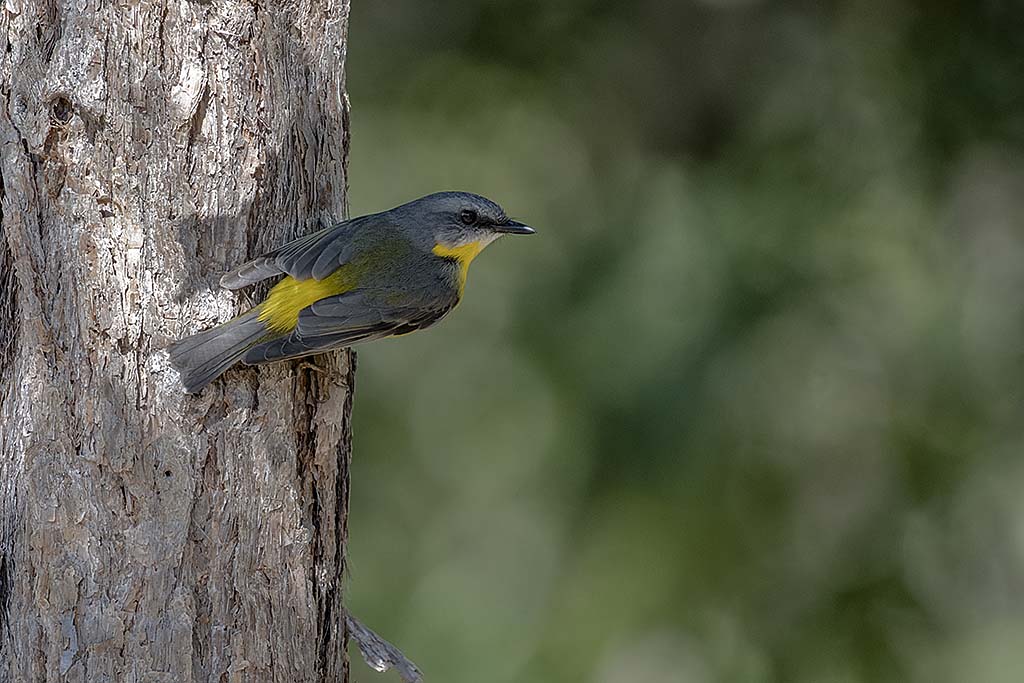
Recently I did a road trip to the north of Brisbane up to Bundaberg and also inland from that area. I really like these trips with our caravan as it enables me to see a wide range of scenery and also to find different varieties of wildlife to photograph. As you have probably noticed I… Continue reading Rossendale Park, Bauple, Queensland
Tips On Using The Nikon, Nikkor 200-500mm f/5.6 Lens – Getting Sharper Images
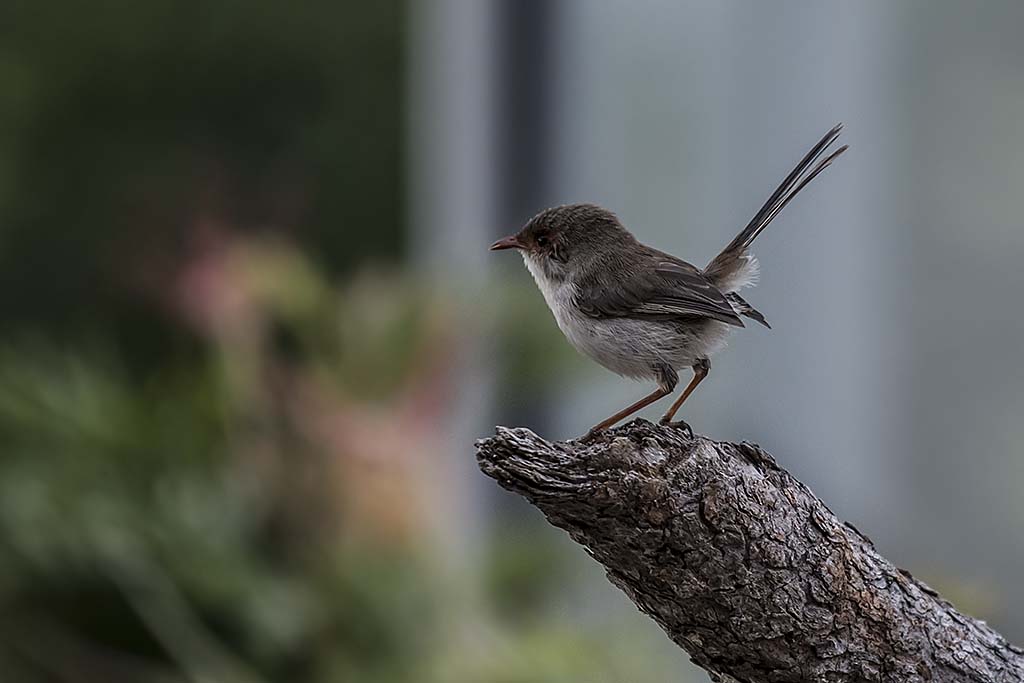
I have regularly blogged about the Nikon, Nikkor, 200-500mm f/5.6 zoom telephoto lens and letting you know how good this lens is for the money outlayed. The vibration reduction , VR provided with this lens is excellent and all photographers who use the lens appear to be of the same opinion. However, to get the… Continue reading Tips On Using The Nikon, Nikkor 200-500mm f/5.6 Lens – Getting Sharper Images
The Marvelous Nikon 200-500mm f/5.6E ED VR AF-S Lens
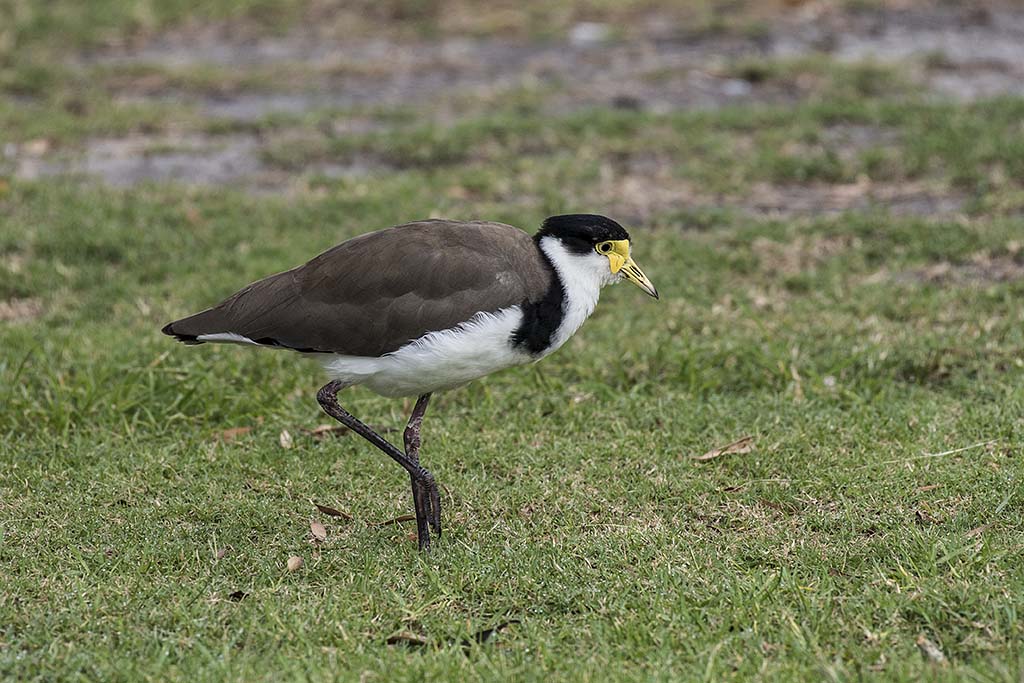
I always enjoy getting out and about with my Nikkor 200-500mm f/5.6E zoom lens. To me it is the perfect lens for photographing birds and nature subjects. I nearly always use a monopod to help take some of the weight when I am using it for long periods. Both images below were taken at 500mm… Continue reading The Marvelous Nikon 200-500mm f/5.6E ED VR AF-S Lens
Challenges of Photographing Birds
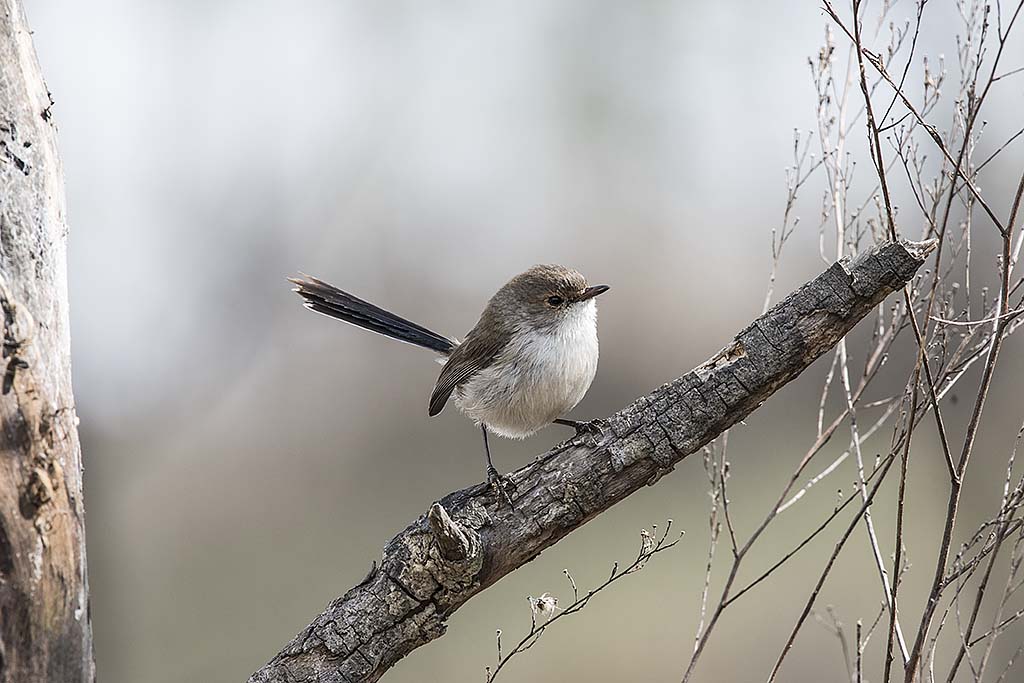
Photographing birds is such a challenging pastime. Heading out for a photographic session you may come across a tiny fairy wren which may only be 30mm high and on another occasion you will come across a great egret which may be 1,000mm high so there is a need to be flexible to be prepared for… Continue reading Challenges of Photographing Birds
A Long Remote Control Cable For Nikon Cameras – DIY
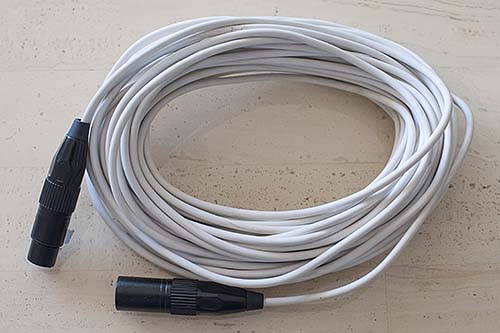
I have Blogged previously about the Nikon options for remote control of Nikon cameras. See some Nikon remote control Blogs here. I have tried some of the third party radio remotes, some of these radio remotes are very cheap around $50, but I always find that they are not always reliable enough for my usage.… Continue reading A Long Remote Control Cable For Nikon Cameras – DIY
Peacock Calling For a Mate and Performing a Dance
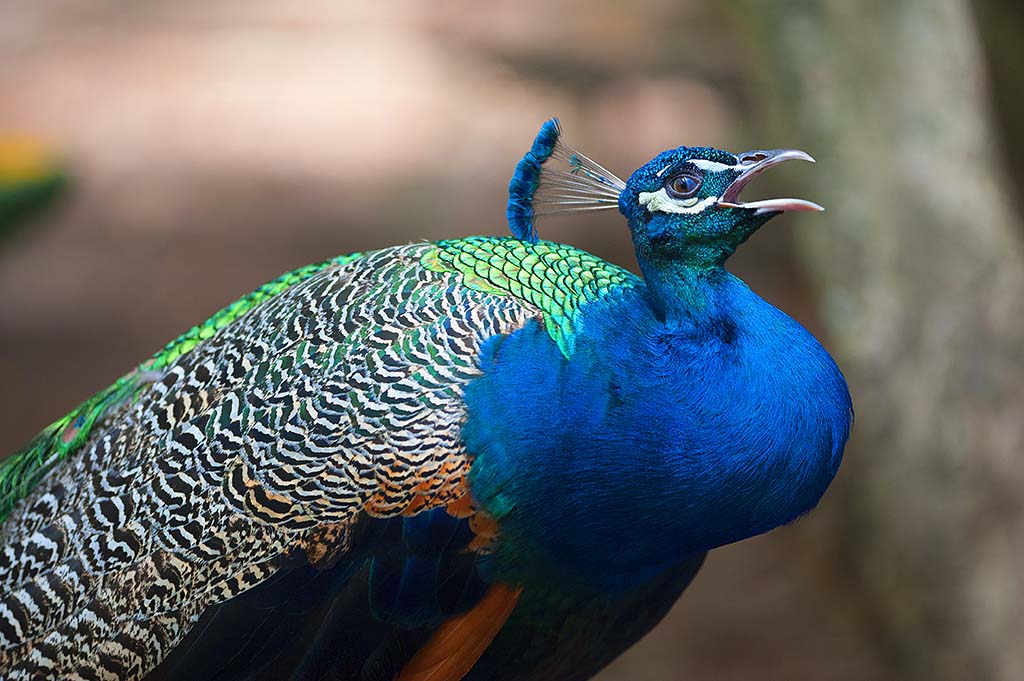
For anyone that follows my Blog, it should be very evident that I really love photographing birds. One of the main secrets to good bird photography is generally long lens technique, but in the case of these peacocks, long lens technique was not quite so important as the peacocks were very quiet and I was… Continue reading Peacock Calling For a Mate and Performing a Dance
Tips for Sharper Bird Photography Images Using the Nikon 300mm f/4.0
This image of the Rainbow Bee Eaters has been captured on one of my many trip around the country. Images like this are very difficult to capture with great detail. There are several tips which can be applied to help you get sharper bird images when using long lenses. In general I find it easier… Continue reading Tips for Sharper Bird Photography Images Using the Nikon 300mm f/4.0
Learning to Photograph Birds At Your Local Botanical Gardens Using the Nikon 300mm f/4.0
Generally your local Botanical Gardens is a wonderful place to learn to photograph birds. Not far from where I live I have Rosser Park, a beautiful park with a lake system and a large variety of birds. Generally when walking around this park I carry a Nikon D700 camera with a 300mm f/4 lens, sometimes… Continue reading Learning to Photograph Birds At Your Local Botanical Gardens Using the Nikon 300mm f/4.0