
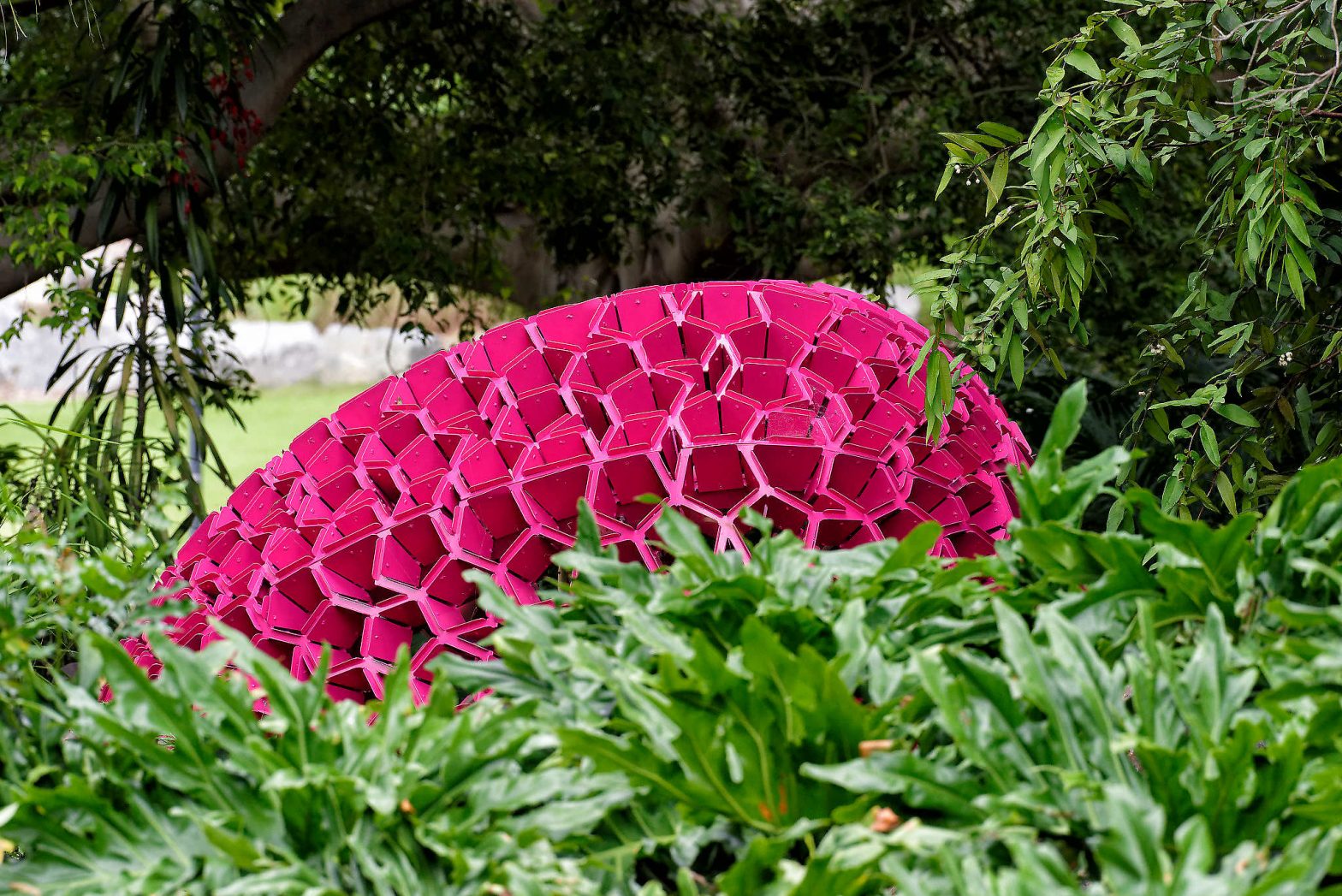
An Epic place to visit in Queensland, Australia is the Mount Coot-tha, Botanic Gardens. The Mountain (Mount Coot-tha) is a suburb of Brisbane and is a must visit place if you love the outdoors and nature. There is also the Brisbane lookout at the Mountain with wonderful vantage points to look out over Brisbane city. … Continue reading The Best Things To See At Mount Coot-tha Botanic Gardens, Brisbane, with the Nikkor 200-500mm f/5.6E Super Telephoto Lens
Category: Nature Photography Is Beautiful
A Visit To The Tamborine Mountain Botanical Gardens, Gold Coast, Queensland, Australia
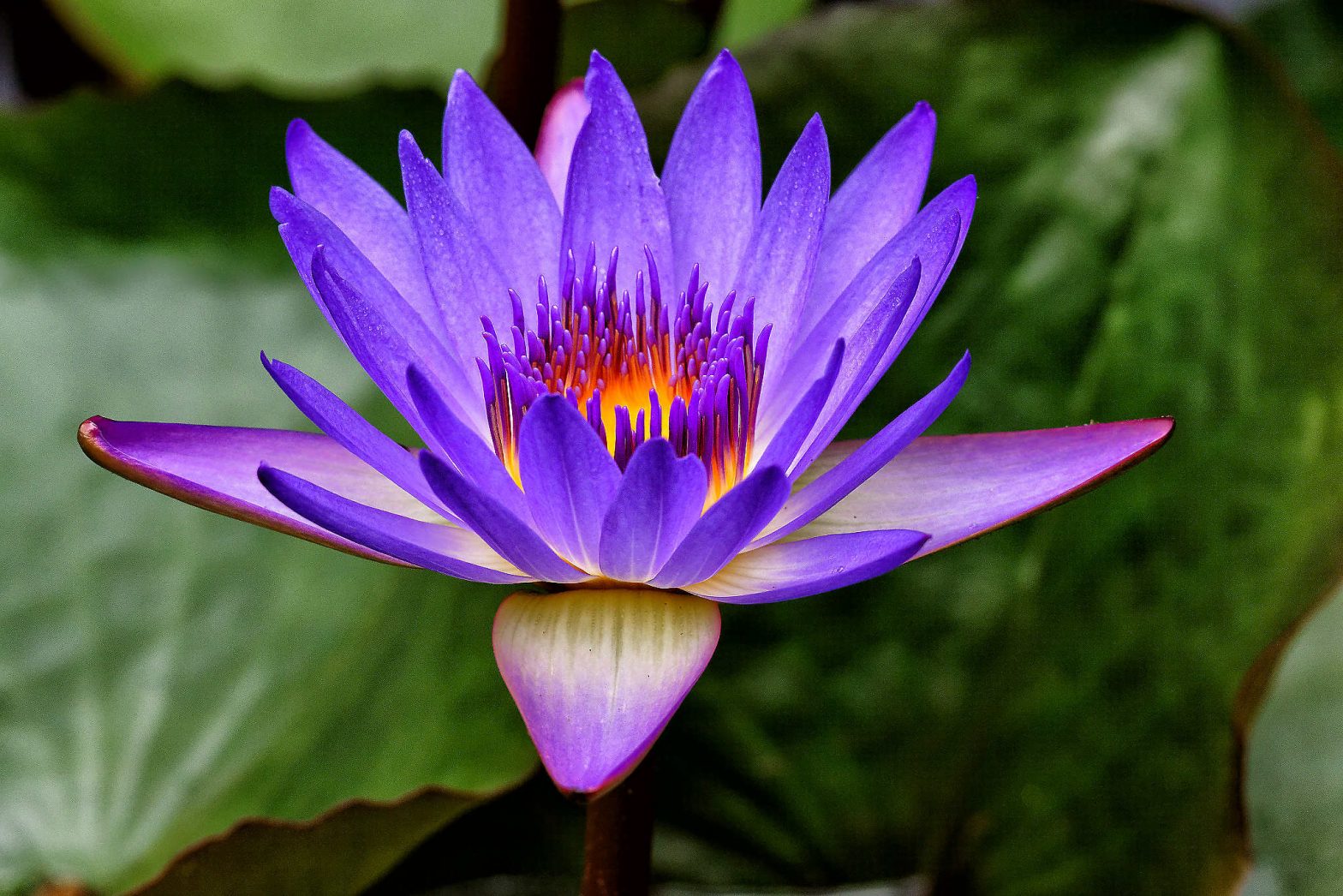
Recently I went for a trip to the Tamborine Mountain Botanical Gardens. It was after we had quite a lot of rain and the day was overcast and very nice for photography. The beautiful lake there had many water lilies in bloom and were great photo subjects. The gardens are just a short drive through… Continue reading A Visit To The Tamborine Mountain Botanical Gardens, Gold Coast, Queensland, Australia
Attracting Birds Into Your Garden To Give Great Photographic Opportunities
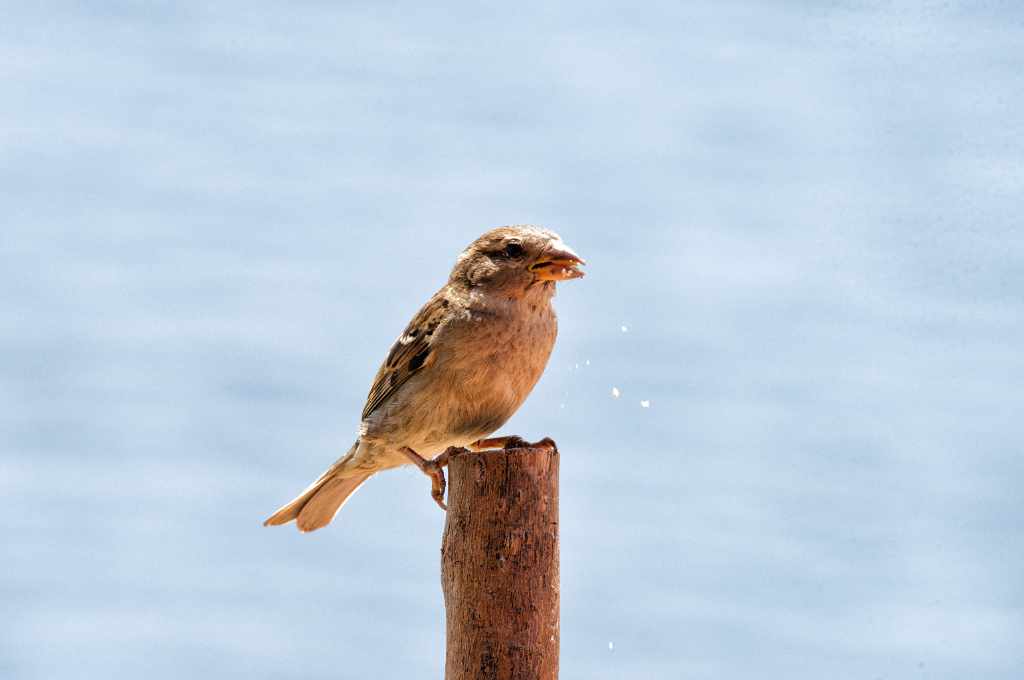
It is wonderful if you can establish a bird attracting garden to assist you in getting more opportunities to photograph a wide range of birds. Over the last 12 to 15 months with the dreaded Covid19 causing major disruptions to our normal way of life, this project has become of major importance to me. I… Continue reading Attracting Birds Into Your Garden To Give Great Photographic Opportunities
Australia’s Beautiful Birds, The Regent Bowerbird And The Satin Bowerbird
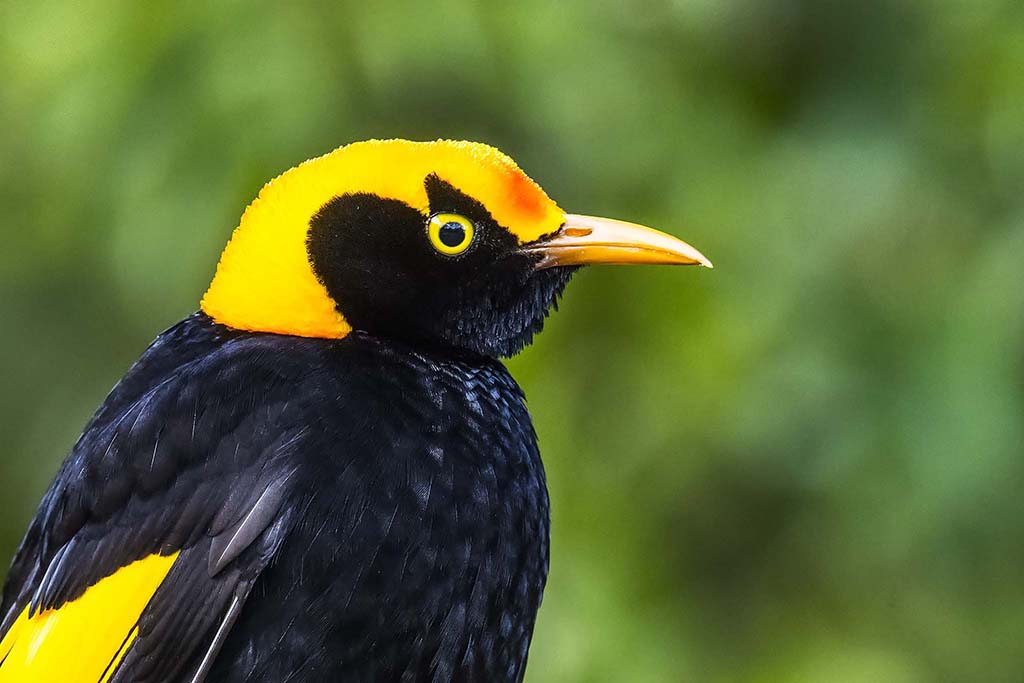
Here in Australia we are fortunate to have some of the most beautiful birds you could ever see. The Bowerbird family is in my opinion up there with some of the most beautiful birds. Recently I did a trip for three days to O’Reilly’s resort, at Green Mountain, Queensland. This would have to be one… Continue reading Australia’s Beautiful Birds, The Regent Bowerbird And The Satin Bowerbird
Always Keep Your Eyes Open For New Photographic Opportunities – Nikkor 200-500mm f/5.6E Lens
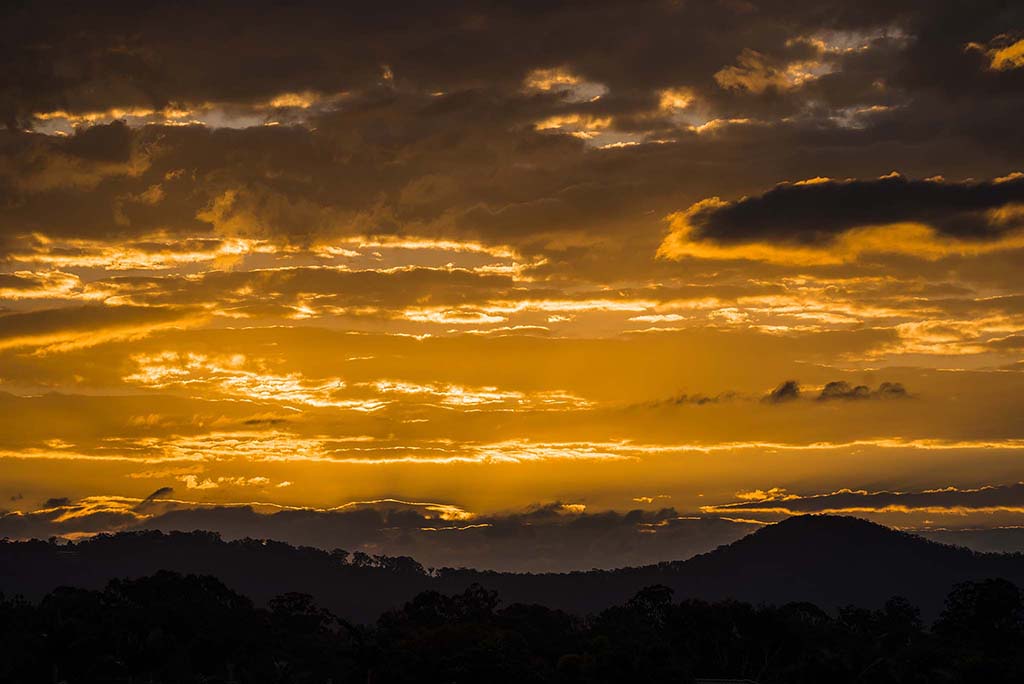
I always try to keep my eyes open for new image opportunities and keep one of my cameras close at hand to capture the decisive moment. When I am travelling this is always the case, however when at home sometimes I neglect to have the camera nearby. Sunsets are always an excellent subject for captures from… Continue reading Always Keep Your Eyes Open For New Photographic Opportunities – Nikkor 200-500mm f/5.6E Lens
Images From Coonarr, Queensland
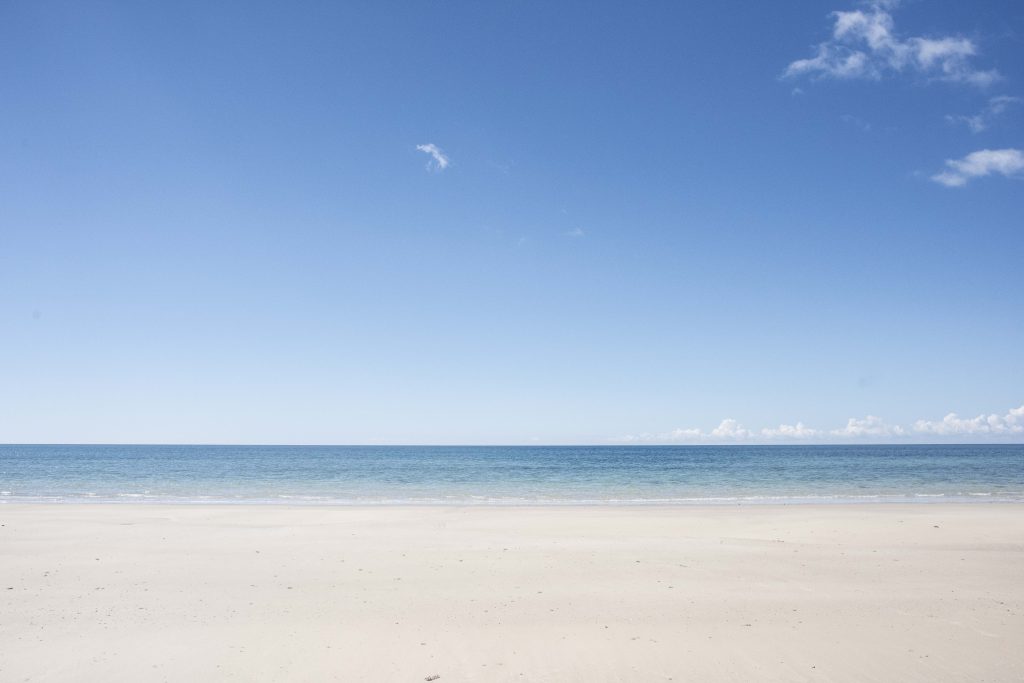
On the recent road trip to the north of Brisbane I visited Coonarr which is just south of Elliott Heads and on the opposite side of the Elliott River to Elliott Heads. Woodgate is a short distance to the south from here. There is nothing very much here apart from a small wildflower reserve (no… Continue reading Images From Coonarr, Queensland
Using the Nikon Nikkor 200-500mm f/5.6 Lens to Capture Animals and Birds – A Brief Review
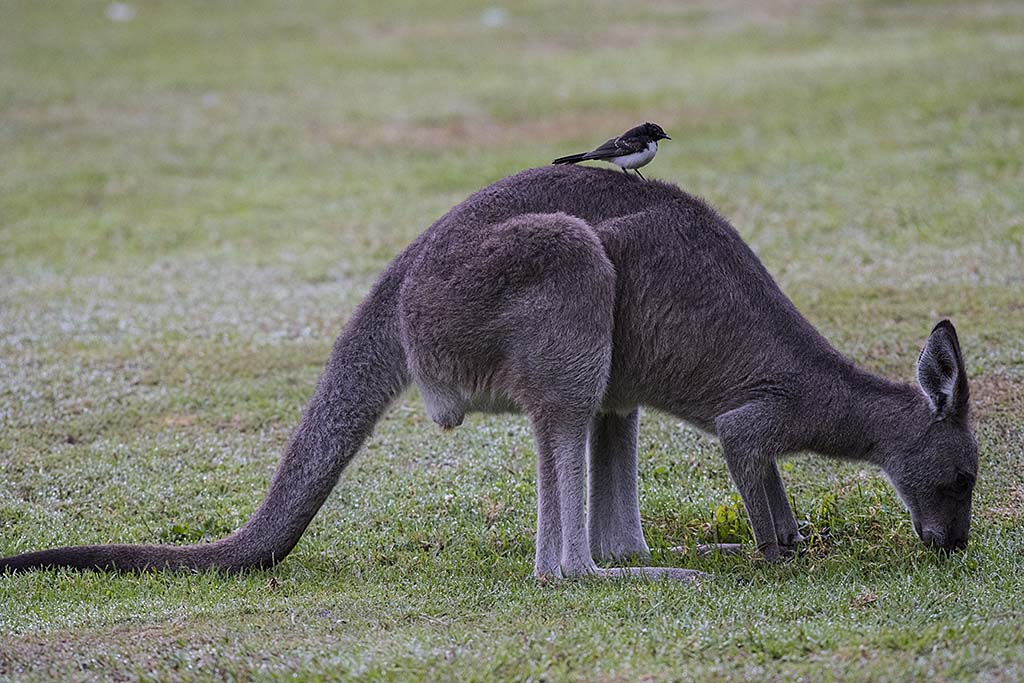
People often ask why I blog so much about the Nikon, Nikkor, 200-500mm f/5.6 zoom lens, well it is because it is so good if you are chasing wild birds or wild animals, it is really all I need to capture distant subjects. In the case of a recent image I captured, I was chasing… Continue reading Using the Nikon Nikkor 200-500mm f/5.6 Lens to Capture Animals and Birds – A Brief Review
The Nikon D810 Camera with the Nikkor 200-500mm f/5.6E ED VR AF-S Lens
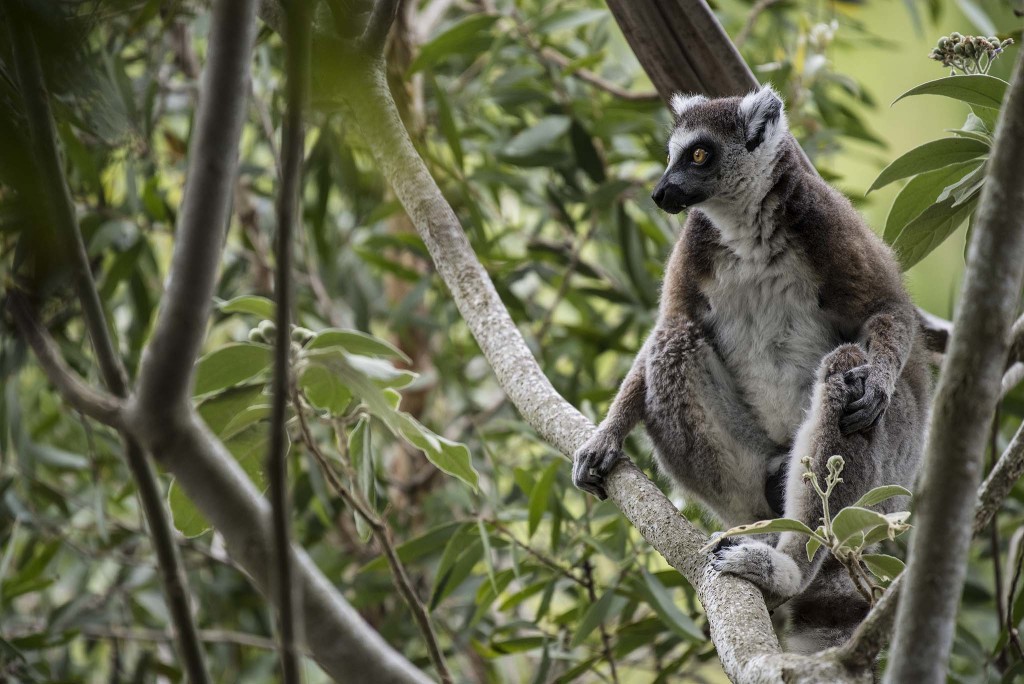
In the past the Nikon 300mm f/4D lens was my favourite lens for my animal and bird photography but with the passage of time things are changing. Don’t get me wrong the 300mm f/4D lens is still great, but occasionally it was not quite enough. Since using the new Nikon 200-500mm f/5.6 lens it is… Continue reading The Nikon D810 Camera with the Nikkor 200-500mm f/5.6E ED VR AF-S Lens
A Visit To The Zoo With A Long Telephoto Lens
When going to the zoo there is always an opportunity for plenty of animal and bird images. Above is a Gallery of some images I was able to capture. For the animals and birds I always like to get up really close and crop the images tightly to ensure that there is very… Continue reading A Visit To The Zoo With A Long Telephoto Lens
A Long Remote Control Cable For Nikon Cameras – DIY
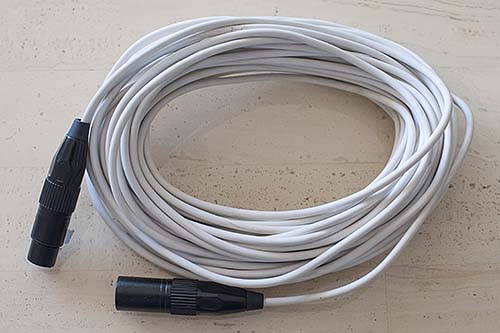
I have Blogged previously about the Nikon options for remote control of Nikon cameras. See some Nikon remote control Blogs here. I have tried some of the third party radio remotes, some of these radio remotes are very cheap around $50, but I always find that they are not always reliable enough for my usage.… Continue reading A Long Remote Control Cable For Nikon Cameras – DIY
Peacock Calling For a Mate and Performing a Dance
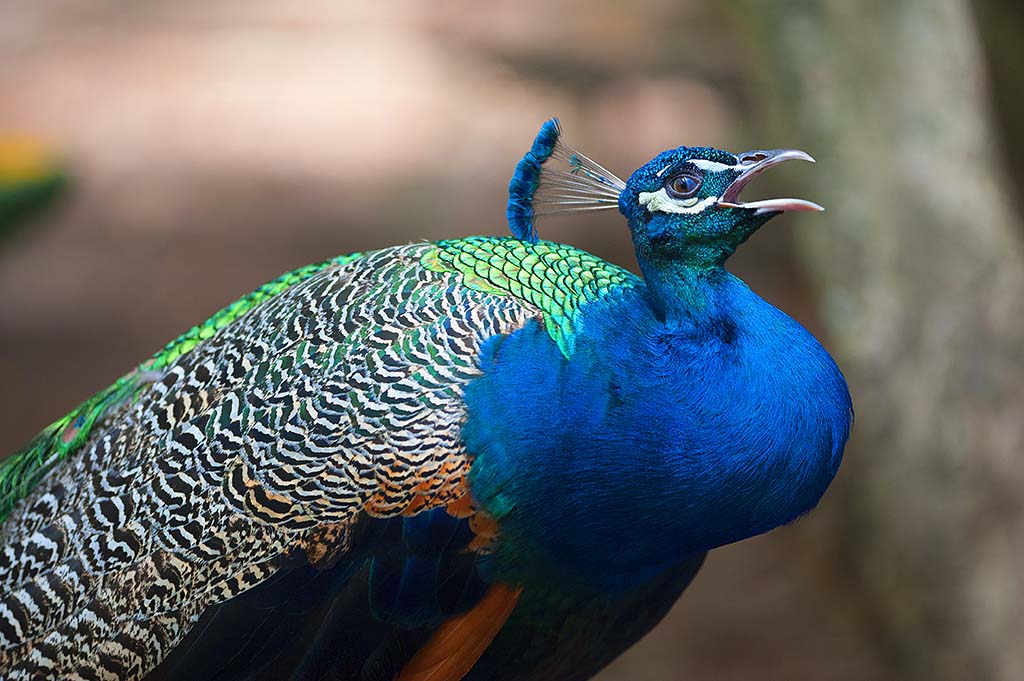
For anyone that follows my Blog, it should be very evident that I really love photographing birds. One of the main secrets to good bird photography is generally long lens technique, but in the case of these peacocks, long lens technique was not quite so important as the peacocks were very quiet and I was… Continue reading Peacock Calling For a Mate and Performing a Dance
The Nikkor, Nikon, Super Telephoto Lenses for Bird Photography
There is nothing like capturing an excellent image of a beautiful bird. The above pelican has been captured with a Nikon 300mm f/4 telephoto lens. This lens is the smallest of the Nikon super telephoto lenses that has the capability of excellent bird photography. It should be kept in mind when using long lenses, that… Continue reading The Nikkor, Nikon, Super Telephoto Lenses for Bird Photography
Insect Photography
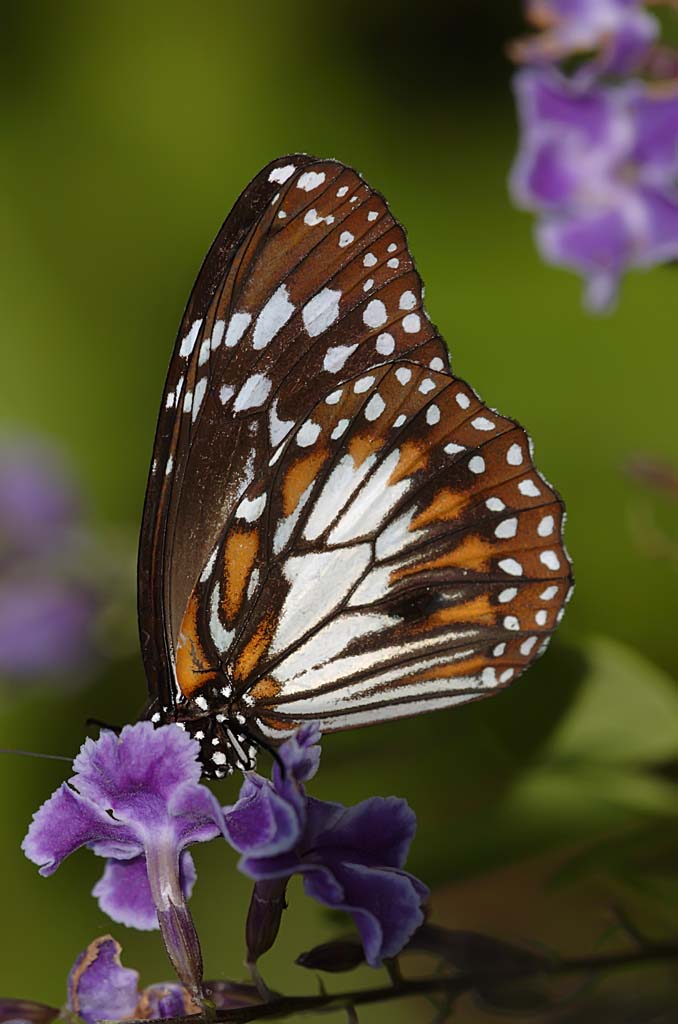
Insects can be quite difficult to photograph due to their size and some special camera equipment may be required to enable close focussing.
Whale Photography
Whale watching will require a long lens of the order of up to 300mm for success. If taken from a boat, generally the boat will roll and make it dificult to frame the image. A lens with vibration reduction or image stabilisation would be very useful for this type of photography. A lens with a large aperture will help to keep the shutter speed up to avoid camera movement.
Under Water and Aquarium Photography
When photographing in aquariums the biggest danger is reflections from the glass sides of the aquarium. It is best to be at an angle to the side of the aquarium, less than 90 degrees, so that you do not get a reflection of yourself directly back from the glass. Also check for reflections of other people as they move around. If using flash for illumination ensure that the flash does not reflect back directly into the lens, hold it at an angle of around 40 degrees.
Nature Photography
Nature photography is defined as the displaying of natural elements in an outdoor environment.
Sometimes the objects of nature will exist in very difficult to photograph places with very difficult lighting. Electronic flash units with a diffuser attached can be of great assistance in providing fill in lighting to nature subjects in these circumstances. Nature photography can be a very challenging field to produce excellent results.
Animal Photography
With domestic animals or animals in the zoo, the photographer generally has the confidence of the animal and a lens in the range of 50-200 mm may be sufficient.
When animals are in cages a very large aperture should be tried to give a very low depth of field, as this may help to give a blurred background to reduce any interference such as cages or other intrusive objects.
Macro Photography
Macro photography is taking close up pictures of small objects. Generally the best camera for Macro photography is the Single Lens Reflex (SLR), as the view through the viewfinder is the same as that which appears on the cameras sensor.
Here we will also consider some of the method to get close up and some of the formulae used in close up photography, when using dioptre lenses, extension tubes and bellows units.