Archive for the ‘Composition In Photography’ Category

Landscape Photography

Mulga Well 1, South Australia

I love photographing the outback country. These two images here have been captured at Mulga Well, in South Australia.

For these two images a Nikon D700 and 24-120mm lens has been used.

Capturing a good landscape is all about capturing excellent lighting at the right time of the day and generally the best time is early morming or late evening. A cloudy sky can also assist in giving a landscape a boost.

I prefer my landscapes to be uncomplicated, and by that I mean a landscape having a simple composition and not too busy.

Mulga Well 2, South Australia

A variety of lenses can be used for landscape photography, ranging from wide angle to telephoto. A wide angle lens will give a wide view and cover many parts of the scenery, with a wide lens it is a good idea to include some foreground object to give the scene some depth. With a telephoto lens you are able to isolate a small part of the landscape to highlight some part, it may be a distant mountain range or some trees in the distance.

With landscapes it is critical to get the image as sharp as possible and some of the aspects to consider are as follows;

  • Use a higher aperture to give a reasonable depth of field,
  • Use a reasonably high shutter speed to avoid camera shake,
  • With landscapes, if there is a breeze beware of any moving foliage and  ensure that you use a sufficiently high shutter speed to avoid blur,
  • Consider using a tripod to give additional camera stability,
  • Also use a cable release with the tripod.

Sometimes doing a panorama with several images will give as good, if not better results than a very wide angle lens. The reason for this is that many wide angle lenses will give quite a lot of distortion to the image. However a longer focal length lens with the images stitched together will give less distortion. Even successful hand held stitched images can be obtained if there is nothing in the close foreground, so give it a try.

I am keen on using neutral density filters particularly when there are moving clouds or moving water in the image as interesting blur effects can be obtained.

Interesting effects can also be obtained with HDR (High Dynamic Range) effects, particularly when the landscape is lit by high contrast lighting.

There are some reviews of some of the Nikon cameras and lenses suitable for landscape use here, Nikon Camera Reviews and Nikon Lens Reviews.

Capturing Stunning Images

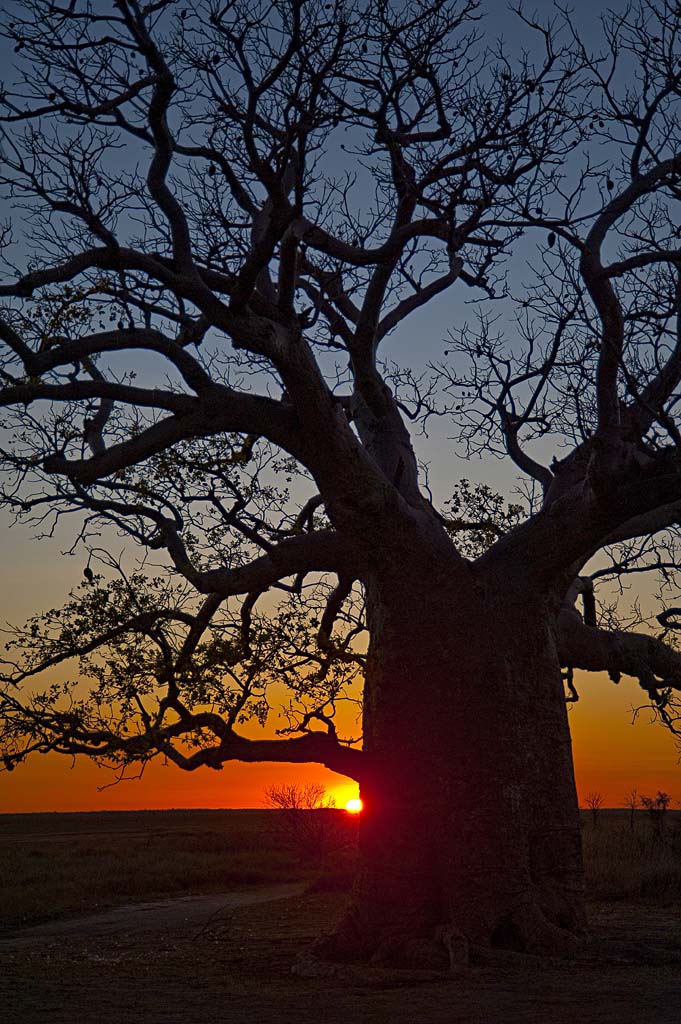
Dinner Tree, Derby

There are a few secrets to capturing stunning images which will make your images stand out from other images. Some of these aspects are discussed as follows.

Good Composition

Composition is essentially the way the subject is organised in the frame. This has been covered in several articles on this Blog as follows.

Excellent Exposure

The exposure is determined by the camera settings and the following camera setting can have a large bearing on the exposure.

  • ISO
  • Shutter Speed
  • Aperture
  • White balance

There are other articles on the Blog relating to exposure.

Superb Lighting

The composion and exposure of an image can be controlled by the photographer, however the lighting is mainly determined by being in the right place at the right time. An exception to this is when artificail lighting is used.

Good lighting is generally obtained when the sun is low in the sky, near sunrise or sunset and this type of lighting will emphasize textures.

Flash can also be used to improve the lighting. It has been stated many times that photography is essentially painting with light.

Post Processing

Post processing can turn a good image into an excellent image. Below are some of the suggested improvement and adjustments that can be made. For further information see some of our articles on Photoshop and Workflow in the menu to the right.

  • Exposure
  • Highlight adjustment
  • Shadow adjustment
  • Levels
  • Curves
  • Saturation
  • Vibrance Color balance
  • Sharpening
  • Blurring
  • Selections
  • Burning-in
  • Dodging
  • Hue\Color
  • Black and white
  • High Dynamic Range
  • Tonal Contrast

Cropping an Image

F111

Cropping an image is a very usefull method of bringing your attention to the main centre of interest of the image. If images are take with a camera with a high megapixel count then there is a lot more room for cropping, compared to an image from a camera with a lower megapixel count. Cropping an image will loose some detail in the image, however it may give the image much more impact.

The original image of the F111 is shown above, together with a cropped image below. The cropped image appears to have more impact due to the emphasis on the main subtect matter, the aircraft.

Cropped Image

Compress the Scene

Mindil Beach Darwin

A telephoto lens can be used very successfully to bring the foreground and background closer together, effectively compressing the image.

The image above was taken with a Nikon 300mm f/4.0 telephoto lens to effectively bring the foreground sailing vessel closer and to also bring the backgrpound setting sun closer together. The image was slightly under exposed to enhance the setting sun.

Patterns Appearing in Nature


Leaf

Many interesting photographic patterns can be found in nature.

Interesting nature patterns can be discovered by getting extremely close to objects such as leaves, floers etc., to see the close up structure and texture of the objects. We have an interesting article in our Principals section found on the right hand side on macro photography.

A close up lens such as a macro or micro lens can be very useful for getting close. Also interesting patterns can be obtained by using strong side lighting to emphasise the texture of the object.

An example of a close up of a leaf is shown above.

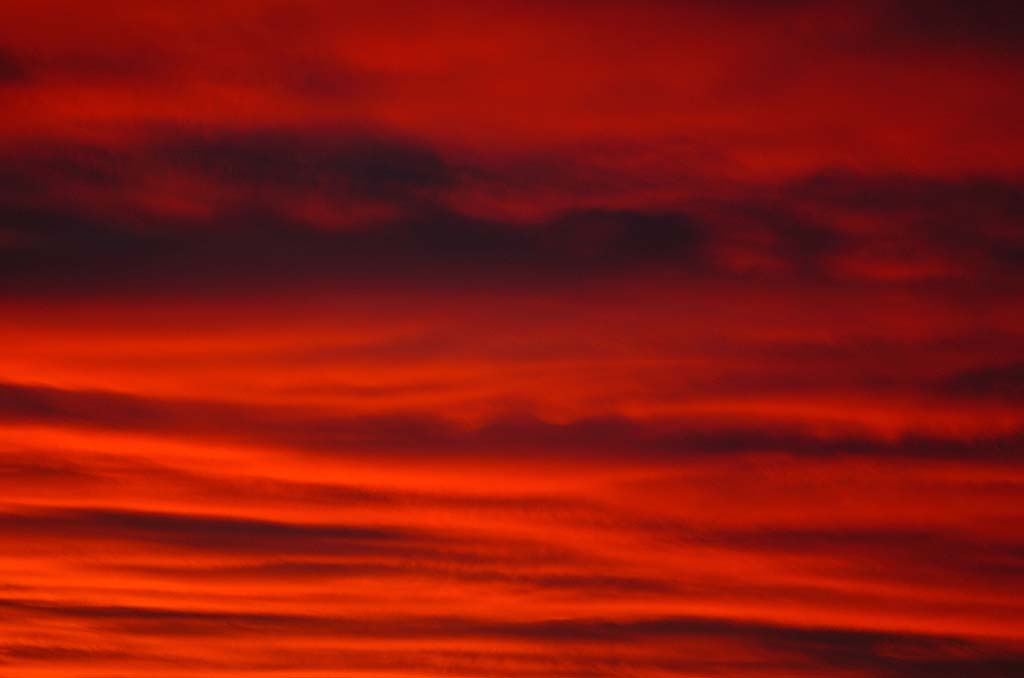
Sometimes extreme cloud patterns, particularly late in the day, when the sun is very low in the sky can form interesting patterns with nice textures.

An examples of a sunset pattern with the sun low in the sky is shown below.

Sunset Sky

Patterns in Composition

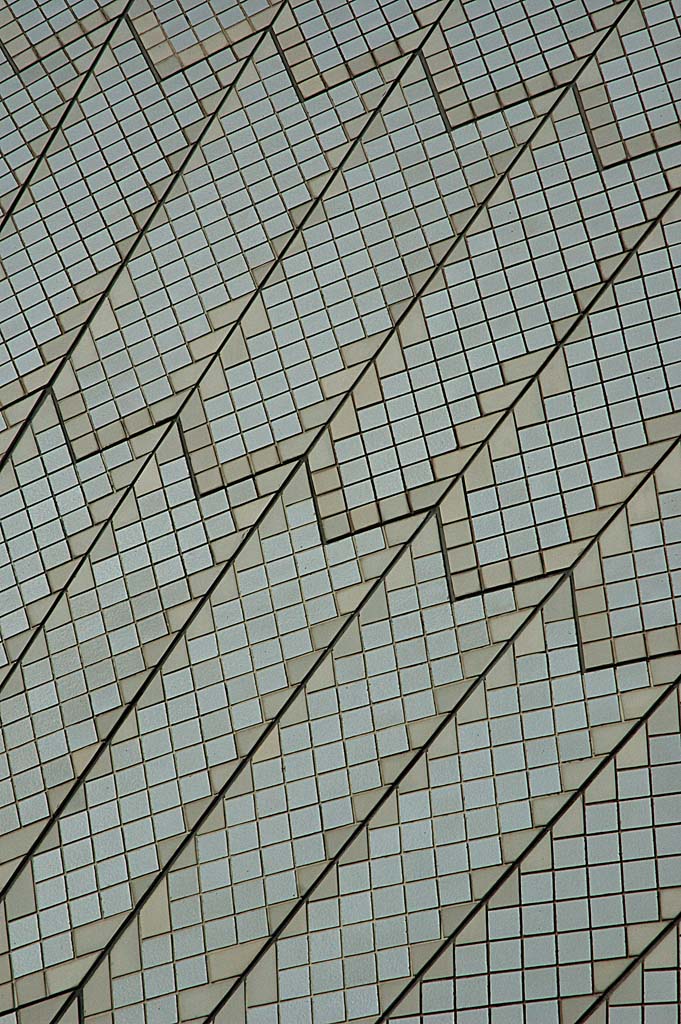
Opera House, Sydney

Composition is a very important photographic tool.

Composition is used to present a worthwhile subject in the most effective way. Many types of patterns can be legitimate targets for pattern images.

The image of the Sydney Opera House is an example of a subject which can be illustrated by strong patterns and also with strong diagonal lines across the image. The patterns generated by the tiles of the Opera House roof in Sydney illustrate the form of an abstract design.

Many different patterns are evident in architecture and there are also many patterns evident in nature.